
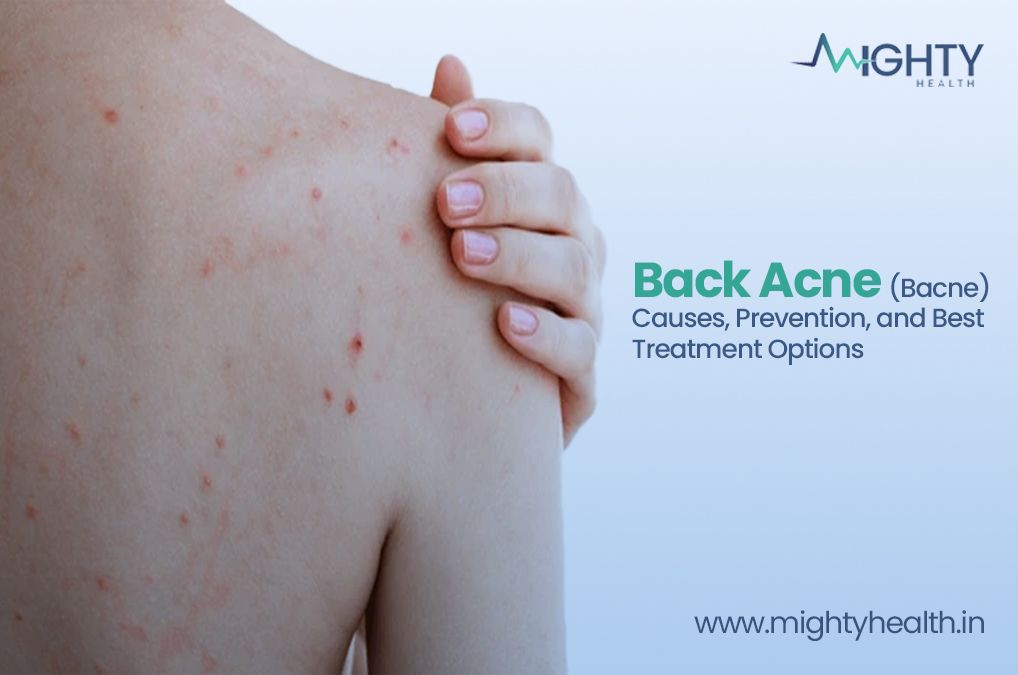
What Are the Different Types of Back Acne You Need to Know?
Treatment of back acne may prove to be a difficult task, and hence it is best to know the kind of acne lesions that may appear on your back, which include:
Whiteheads: Whiteheads are also known as closed comedones, which are formed when a blocked follicle remains undrained and just under your skin, a white bump is formed.
Blackheads: As a plugged follicle that has appeared on the surface of your skin tears open, what you are left with is a blackhead or an open comedone. This is not because dirt has stuffed your follicle, which makes blackheads black-tipped as a result of a reaction of sebum with the air.
Papules: Pimples that are characterised as small pink swellings on your skin, and at times painful, are known as papules. This is a form of acne that lacks pus, and it develops when the hair follicle that is clogged is inflamed.
Pustules: A pustule, also known as a pimple, is a white or yellow papule filled with pus, the reddened part of which is at the bottom. Inflammation in an obstructed hair follicle is also the cause of these lesions. The pus is filled with the accumulation of white blood cells.
Nodules: It is a form of acne in which the bacteria are also trapped in a hair follicle. These ulcers grow deep underneath your skin, and there they become hard and form a great painful nodule. Tissue damage happened because of the deeper location of the lesion, leading to tissue inflammatory response.
Cysts: These are bigger and pus-filled acne that are also formed when bacteria get trapped in a hair follicle. In cystic acne, the infection spreads further into the skin, causing a painful lump that may leave a permanent stain.
What Causes Back Acne?
Back acne is a condition that is caused when the pores of your back (dorsal) skin are blocked up with oil (sebum), skin cells that are already dead and bacteria. The above blockages cause inflammation, which prompts the development of pimples, blackheads, whiteheads and even painful cysts. Being able to know the triggers can assist you in addressing bacne at its origin.
Overproduction of Sebum: When the sebaceous glands on your back are overactive, they produce too much oil and block your pores, causing acne.
Clogged Hair Follicles: Your back is covered with dead skin cells that can combine with sebum and block hair follicles, resulting in pimples or cysts on your back.
Bacterial Growth: Propionibacterium acnes (P. acnes) also grows in clogged pores on your back, leading to acnes on the back.
Hormonal Changes: The hormonal fluctuations during puberty, menstruation, or stress may raise the oil production and may lead to acneic back.
Sweat and Friction: Over-sweating, particularly after a gym session and putting on tight-fitting clothes that constantly rub against your skin can cause back acne.
Diet: Excessive consumption of dairy, added sugar, and processed foods can also make one susceptible to back acne.
Stress: Adrenal glands may produce a lot of oil in response to stress, and it may exacerbate back acne.
Genetics: When your family has a history of getting back acne, then there is a chance of you getting it too.
Idle Expenses: Frequent application of heavy, oil-based skin and hair care products and sunscreens may block the pores in the back part of your body.
Risk Factors
The risk of developing back acne increases under the following circumstances:
- Hormonal changes associated with puberty, pregnancy, or menstruation;
- Family history of acne - if your parents had acne, then you are likely to have it as well.
- Friction from items such as backpacks, sports gear, or clothes that fit extremely tightly.
- Medicines that contain corticosteroids or testosterone therapy.
- Consumption of highly sugar-laden foods or excessive amounts of dairy products.
- Stress leads to increased cortisol production, which can contribute to increased oil production.
4 Steps You Can Take Toward Preventing Back Acne
It is not always possible to control people to get back acne since the primary causes that lead to predisposition to bacne, hormonal changes and hereditary factors, are beyond control.
You are, however, able to take measures to minimise your risk of getting these lesions.
Avoid Certain Medications
There are also certain medications that predispose you to acne, such as androgens (hormones commonly found in the male body, such as testosterone) and lithium. You should discuss with your physician alternative treatments just in case you take any of these medications.
Restrict Use of Skin-Care Products of an Oily Nature.
Do not apply oily skincare products, such as cosmetics and moisturisers, to your back. These cause flare-ups of back acne. Moreover, the American Academy of Dermatology recommends the identification of products that are labelled as noncomedogenic, which means that they will not be likely to clog the pores.
Take the Strain out of Your Back.
Back acne can be caused by anything that causes sweating and makes your back sticky, like backpacks, sports equipment, and back braces. Select a backpack that is light and suits you well to reduce friction and annoyance.
When you wear sporting equipment (such as shoulder pads), which stresses your back, you should not wear the piece of equipment longer than you need to, or you can wear a clean, cotton T-shirt to help minimise the long-term pressure and friction.
Wear Clean Clothes
Clothes that are dirty may contain sweat, oil and dirt, further worsening the skin and leading to the development of acne. It is always advisable to put on loose garments during physical activities and to take off damp garments after the exercises.
Treatment For Back Acne
An efficient skincare regimen, over-the-counter remedies, and potentially professional assistance are all necessary for treating back acne. Here is a thorough guide:
Follow Skincare Routine
An effective skin care routine could be helpful in managing back acne. Managing the underlying cause of this condition is crucial for achieving clear, healthy skin.
Gentle Cleansing: Clean your back using a body wash with salicylic acid or benzoyl peroxide to help clear clogged pores by killing the bacteria that cause acne.
Chemical Exfoliation: Use a mild chemical exfoliator such as glycolic acid or lactic acid to very gently remove dry, dead skin without causing irritation. Do not use aggressive scrubs as they will disturb your skin’s natural barrier.
Moisturising Smart: Use a non-comedogenic moisturiser so that it will not clog your pores, but will keep your skin moisturised.
Over-the-Counter Treatments
When you have back acne that isn't too pronounced, utilising topical medicines should assist with maintaining clear skin, and the topical product may be quite useful for manufacturing clear skin.
Benzoyl Peroxide Cream or Gel - A product such as benzoyl peroxide cream or gel will kill the acne-causing bacteria in your pores. You can apply it as a spot treatment or apply it to all your affected areas.
Retinoids - Retinoids, which are derived from Vitamin A, can be effective for unclogging your pores, helping to increase your skin turnover. Another retinoid that you can use is Adapalene, which is a gentler retinoid.
Alpha Hydroxy Acids (AHAs) - Glycolic Acid and other AHAs help to brighten up the skin and help to improve acne issues, and can help you clear up your skin by addressing any hyperpigmentation due to your acne.
If you're serious about treating your back acne, you will need to remain consistent with your treatment. Most over-the-counter products require at least 4 - 8 weeks of use to see any results. In severe cases, you may need a longer-term treatment plan that is supervised by a medical professional.
Medical Treatments and Dermatologist Options
When you cannot get rid of stubborn bacne with over-the-counter medications and remedies, you should go to a dermatologist for professional assistance and treatment. Most often, a dermatologist will prescribe;
- Topical (applied to the skin) retinoids to help keep your pores clear
- Oral antibiotics to fight bacteria and help reduce inflammation
- Isotretinoin (in rare cases) - a very strong and effective medication for severe bacne
- Hormone treatments to help reduce acne in women due to hormone fluctuations
- Cortisone injections that will help to shrink and heal painful cysts more quickly
- Chemical peels and/or laser therapy are also considered advanced treatment options that are helpful to many people with bacne.
Home Remedies For Back Acne
Although professional remedies would lead to effective results, it is also possible to add natural remedies to your skincare to get even more benefits and promote healthier skin.
Tea Tree Oil: Tea tree oil is also a natural anti-acne active that is most recognised because of its strong anti-bacterial and anti-inflammatory properties. This oil is useful in the topical application where it acts in reducing inflammation, calms the redness and kills the bacteria leading to acne. It is important to remember, though, that tea tree oil must be mixed with a carrier oil (such as coconut oil or jojoba oil), and only then can it be applied onto the skin to prevent irritation or drying.
Apple Cider Vinegar: Another natural anti-acne ingredient that is effective is Apple Cider Vinegar, which balances the pH of the skin and kills bacteria. To apply, dilute apple cider vinegar by using 1 part ACV, 2 parts water to dilute the vinegar to avoid any possible aggravation. Apply the mixture on your skin using a cotton pad.
Aloe Vera: The gel of aloe vera can be soothing when it comes to sore and irritable skin when applied regularly. It is also anti-inflammatory and calming, and could possibly make your skin well. Fresh aloe vera gel may also be used on the affected parts to cool, as well as reduce redness and swelling.
When to See a Doctor for Bacne
Most mild back acne clears up with home treatments, but sometimes you really need a doctor.
See your doctor if your back acne gets really bad or keeps coming back, or if you notice hard, painful bumps under your skin. If your back feels extremely sore or inflamed, or you get a fever along with the acne, don’t wait—get it checked out. If nothing changes after six weeks of over-the-counter treatments, that’s another sign it’s time for professional help. Also, if your skin starts getting irritated, itchy, or changes colour because of things you’re using, talk to a doctor.
And if you have cystic acne—those deep, painful, pus-filled bumps—don’t try to handle it on your own. That always needs a doctor’s care.
To Conclude…
Acne on the back can be difficult, but by taking care of your skin properly, it can be treated successfully. The small bumps on your back are typically caused by clogged pores from excess oil, bacteria and sweat. By establishing a routine for how to take care of your back, most people will find relief from their bacne. Remember that bacne affects millions of people, so don't feel like you are alone in dealing with it. Over-the-counter treatments work well for mild forms of bacne, but stubborn or severe cases may require a visit to a doctor.
Both your skin and your mental health require attention. While it can feel embarrassing to have bacne, there are successful treatments available. Both patience and consistent care will help give you clearer skin, whether you only break out occasionally or frequently. Making simple changes today can have a positive impact on your bacne. Just be sure to give each treatment adequate time to work before you try something new. The first step towards healthier skin is being informed about bacne and taking positive action to resolve it.