
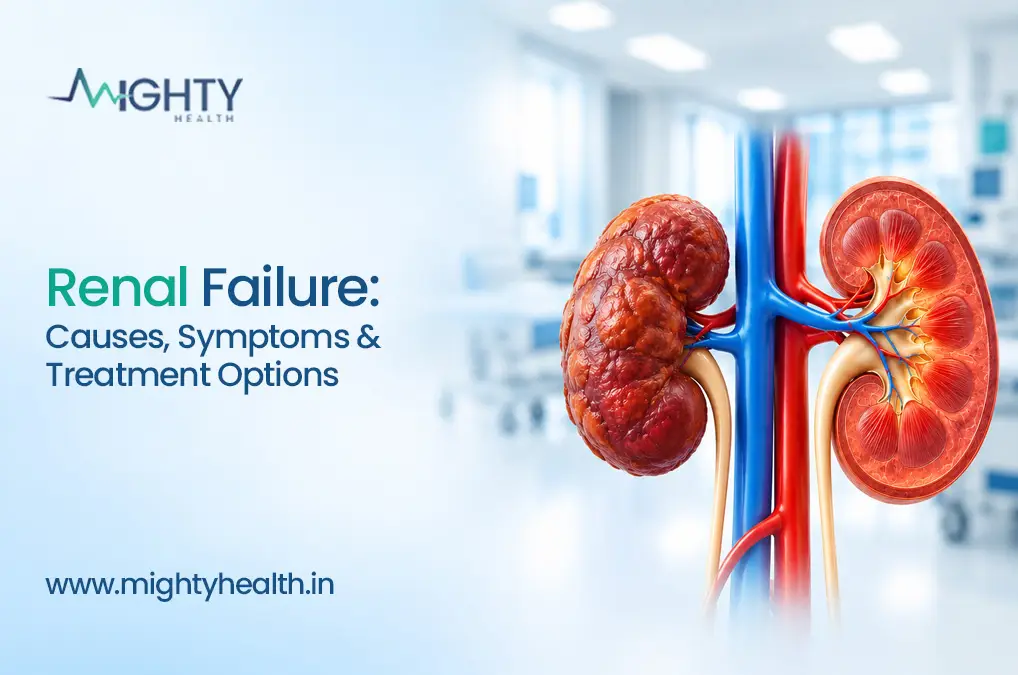
The kidneys are one-of-a-kind organs that are tirelessly at work filtering waste, balancing fluid levels, and controlling various functions within your body. However, what happens when these organs start to misfunction? Kidney failure is a severe problem that plagues many people across the globe and can be anything from a nuisance to deadly. From an interested individual to a professional who wants a refresher, anyone can learn all about kidney failure from this guide covering its cause, symptoms, stages, diagnosis, treatment, and even prevention.
What Is Kidney Failure?
Kidney failure occurs when both your kidneys fail to work properly to maintain your life. In some cases, it can be temporary and come about quickly, which is referred to as acute kidney failure. In other cases, it results from chronic kidney disease (CKD). The CKD gradually worsens and ends up in chronic kidney failure. Chronic kidney failure is sometimes known as end-stage kidney disease (ESKD). In some cases, healthcare practitioners may refer to it as renal failure. Renal is another term for kidney.
Chronic kidney failure is fatal without any treatment. However, you may be able to survive for a couple of days or weeks without treatment. With the right kind of treatment, you will be able to survive.
What Are The Five Stages Of Chronic Kidney Disease?
There are five stages of chronic kidney disease based on your estimated glomerular filtration rate (eGFR). The eGFR is a measure of how well your kidneys function. Normal eGFR is above 60. However, despite having a normal eGFR, your physician can still identify CKD in you based on other kidney test results. The lowest eGFR is zero, meaning your kidney does not function at all.
Stages of CKD include the following:
Stage I: Your eGFR is more than 90. In this stage, your kidneys work normally. Stage I is diagnosed by your provider only in case of changes in other kidney tests. Having no other signs of CKD, eGFR above 90 is your norm and is not considered as CKD.
Stage II: Your eGFR can vary from 60 to 89. Your kidneys work normally. Stage II is diagnosed by your provider only in case of changes in other kidney tests. Having no other signs of CKD, eGFR in this range is your norm and is not considered as CKD.
Stage III: Your eGFR can vary from 30 to 59. You have mild or moderate loss of kidney function.
Stage IV: Your eGFR can vary from 15 to 29. You have severe loss of kidney function. Sometimes you can develop symptoms, but sometimes not. If you have symptoms, they are usually mild.
Stage V: Your eGFR is lower than 15. Your kidneys are almost or already completely dysfunctional. Usually, you get your first symptoms in this stage.
Read Also:Understanding Stage 5 Kidney Failure Life Expectancy
Types Of Kidney Failure
Acute Kidney Failure
This occurs within a few hours or days due to serious dehydration, some medications, obstruction in the urinary system, or abrupt loss of blood to the kidneys.
Chronic Kidney Failure
This develops slowly over time due to diseases such as diabetes, hypertension, and chronic infections of the kidneys.
Common Reasons for Renal Failure
Everyone is prone to develop kidney diseases but there are certain risk factors that predispose them to the development of these diseases.
Some of these factors include:
Diabetes Mellitus: High sugar levels constantly affect the kidney’s delicate filtering units.
Hypertension: High blood pressure levels put constant pressure on blood vessels including those of the kidney.
Polycystic Kidney Disease (PKD): It is a hereditary condition resulting into the formation of cysts full of fluid in the kidneys.
Glomerulonephritis: Inflammation of the kidney’s filtration units due to autoimmune diseases or infection.
Autoimmune Diseases: Lupus affects the filtration units causing damage.
Blockage in the urinary tract as a result of kidney stones, enlarged prostrate or tumours.
Dehydration and Shock: It can lead to damage to the kidney tissues instantly.
Symptoms Of Kidney Failure
Feeling extremely tired (fatigue)
Nausea
Vomiting
Difficulty thinking or concentrating
Swelling (edema), particularly in the hands, ankles, or face
Decreased urination or inability to urinate
Muscle cramps or spasms
Dry or itchy skin
Loss of appetite or food tasting like metal
How Is Kidney Failure Diagnosed?
Worried about how to diagnose kidney failure? The process involves several steps including both clinical assessment and testing. Read on for more information:
Blood Test:
- Serum Creatinine: Higher serum creatinine shows decreased kidney filtration.
- Blood Urea Nitrogen (BUN): Increased BUN means that there is a waste product in the body.
- GFR Assessment: This test uses the patient's serum creatinine, age, race, and sex.
Urine Test:
- Urinalysis: To test the presence of proteins, blood, or sugar in the urine.
- Albumin-to-Creatinine Ratio (ACR): To detect early kidney damage by testing for protein.
Imaging:
- Ultrasound: To show the size of kidneys, its shape, or any obstruction.
- CT Scan: Helps find out if there are stones, tumors, or any other abnormality.
- Biopsy: In difficult cases, kidney biopsy can help detect kidney diseases.
Treatments for Kidney Failure
Failure of the kidneys, also referred to as end stage renal disease (ESRD), results when the organs are not able to filter waste products, extra fluid, and toxic wastes from the blood. If this takes place, harmful substances will accumulate in the body, and they may have an impact on the heart, bones, blood pressure, and general well-being. This ailment is critical but there is no cure for it, except in few instances. However, various options of treatment may aid in the replacement of the kidney function, management of symptoms, and increase life expectancy.
Read Also: Kidney Transplant Criteria: Who Qualifies and What It Really Takes
Dialysis: Artificial Blood Filtering
Dialysis is the most favored method of treating kidney failure. The procedure functions as a healthy kidney, purifying blood from wastes, surplus salt, and excess water. It also ensures proper levels of essential minerals (potassium, sodium) in the blood and contributes to blood pressure regulation. It should be noted that diagnosis does not cure kidney failure but it allows the body to achieve balance and relieve a range of symptoms including edema, sickness feelings, tiredness and dyspnea. The two leading types of dialysis are hemodialysis and peritoneal dialysis.
During hemodialysis a machine called a dialyzer, or artificial kidney, filters blood from the body. A vascular access, often created in the arm, is used to draw blood from the body, run it through the filter, and then return it to the body. Patients tend to go to a dialysis center three times a week for treatments that last about three to five hours. Alternatively, some patients learn how to perform hemodialysis at home, either with shorter and more frequent sessions or overnight during sleep. While hemodialysis used in center treatment means the patient is more likely to receive help from qualified staff, patients undergoing home hemodialysis will nevertheless have some flexibility and comfort. The most commonly experienced side effects of hemodialysis are low pressure, muscle cramps, itching, and tiredness following sessions.
Peritoneal dialysis is a different process that uses the lining of the belly (called the peritoneum) as a natural form of the filter. The system involves introducing a soft tube (called a catheter) into the abdomen through minor surgery to access the abdominal cavity. A cleansing solution (dialysate) is then allowed to flow into the abdomen and collect the waste and extra fluid within a few hours. Once the filtration is done, the cleansing fluid can be drained either manually several times a day, called continuous ambulatory peritoneal dialysis or through the machine (called automated peritoneal dialysis). Most patients prefer this method as it can be done at home, gives flexibility with job or travel, and is more comfortable to the body.
Kidney Transplantation: The Closest Thing to a Cure
Kidney transplantation is regarded as the most optimal solution for appropriate patients experiencing kidney failure. During kidney transplantation, the functioning kidney from a donor is transferred into the body of a patient to replace his/her kidneys. It should be mentioned that there are several sources of donors who can provide the organ needed by the patient. Donors can be both living people like relatives, friends, and others, or a recently deceased individual. In addition, living-donor kidneys have a greater life span and can be used earlier.
Pre-transplantation, patients undergo extensive investigations to ensure compatibility between the donor and recipient for blood group, tissue type, and general eligibility for surgery. Post-transplantation, patients are required to be on immuno-suppressants for the rest of their lives to avoid rejection of the new kidney by their bodies. The downside of this medication is that it weakens the patient's ability to fight off infections, which is why they need to attend regularly to the transplant unit. In comparison to dialysis treatment, transplantation provides more energy, less restrictive diet, increased longevity, and an overall improved quality of life for the patients. But not all patients are eligible for transplantation; only healthy ones are.
Conservative Kidney Management
There are some cases where patients will not opt or need dialysis and transplantation as treatment methods. For older patients or those with several ailments, conservative management of kidneys, sometimes referred to as supportive or palliative care, is ideal. The aim of the process is symptom management, preserving the existing functionality of the kidneys as much as possible, and providing comfort without the help of dialysis. Conservative care requires medicine, dietary instructions, and psychological support from a panel of health professionals.
Medications and Dietary Management
Regardless of the primary therapy, medications and nutrition are equally important supportive measures. Medications are used to control high blood pressure, thus protecting both the kidneys and the heart from further damage. In addition, anemia is another common condition that develops when kidneys do not produce enough hormones that stimulate the production of red blood cells, so special medications are used for its management. Moreover, phosphate binders and vitamin D are needed to prevent bone and mineral problems, and diuretics are used to assist the body in removing extra water. It is strictly forbidden to use any medications that have not been prescribed by a doctor, including painkillers (e.g., non-steroidal anti-inflammatory drugs) since they are harmful to kidneys.
A renal dietitian will be able to help the patient develop a specific diet plan that excludes extra salts, potassium, and phosphates but provides enough protein and calories to the body. The amount of liquid consumed may also need to be regulated.
Living Well with Kidney Failure
However, therapy encompasses more than just medical measures. It is important to engage in regular exercises, stop smoking, control diabetes and blood pressure and attend routine check-ups in order to improve results. Emotional health is equally important, as the condition often causes stress, anxiety and changes in one’s lifestyle. One can benefit from support groups, counseling and support of one’s family and friends.
Kidney failure is a serious diagnosis; however, modern medicine can help to fight it in many ways. With proper therapy, appropriate medical team and healthy way of life, patients can maintain their activity and enjoy their life. Any person who observes any symptoms or risk factors should immediately contact a nephrologist, as early detection increases the chances of maintaining kidneys healthy.
Risk factors
Anyone can have kidney failure. However, there are certain factors that increase the chances of getting kidney failure. These include being:
- Diabetic
- Hypertensive
- Suffering from heart disease
- Having a family history of chronic kidney disease
- Having an inherent problem with the urinary system that affects the kidney's structure
- Black
- Over the age of 60
- Long-time user of pain relievers, including over-the-counter medicines such as NSAIDs
Complications
There are numerous roles for your kidneys within the body. In cases where there is kidney failure, complications such as:
- Hypertension
- Anemia (low levels of red blood cells)
- Bones disorders
- Water retention in the lungs and/or legs
- Electrolyte imbalance, especially with excess levels of potassium and acid in the blood.
To Conclude…
Your kidneys are important organs for maintaining your health, and after being armed with information from learning what kidney failure entails to looking at prevention methods, it is time to take action. You do not have to wait until you develop symptoms to take the next step; instead, schedule a check-up to see how your kidneys are doing or visit an expert in chronic kidney disease if you think you may be at risk.
Read Also: When Kidneys Tap Out: A Human Guide to Renal Replacement Therapy
Frequently Asked Questions
How to cure kidney disease?
However, most cases of chronic kidney disease cannot be cured. But it is possible to slow down the disease. High blood pressure, blood sugar control, proper diet, medication, and non-smoking will help to preserve the remaining kidney function. For people who have severe kidney diseases, dialysis or kidney transplant is recommended.
How to treat kidney disease?
Treatment is guided by the underlying reason for the illness and its stage. Normally, treatment will include controlling the underlying factors such as diabetes and hypertension, using drugs that help protect the kidneys, as well as changes in diet and lifestyle. When kidney function deteriorates severely, dialysis or kidney transplantation is needed.
How to diagnose kidney failure?
A diagnosis of kidney failure is made by performing blood and urine tests. Blood tests can be done to check the level of creatinine and to determine the eGFR. Urine tests can detect proteins or blood in the urine. Imaging tests like ultrasounds, CT scans, and kidney biopsies can also be performed.
Can kidney disease be cured?
Chronic Kidney Disease rarely has a cure since the destruction caused by the disease in kidney tissues is irreversible. But timely diagnosis and adequate treatment can help prevent further damage and allow one to lead a healthy life for several years. The most effective way of curing the problem is a kidney transplant.
Can kidney failure be reversed?
This depends on the kind. If it is acute kidney failure, then there is the possibility that it can be reversed since this occurs when a person becomes dehydrated, experiences an infection, or takes medication. In chronic kidney failure, there is no reversal since this occurs slowly.
How to improve kidney health?
Hydration, balanced diet, reduced intake of sodium, and keeping weight under control are all helpful in supporting the kidneys. Physical activity, regulation of blood pressure and glucose levels, abstinence from smoking, moderate consumption of alcohol, and reduced use of painkillers, including NSAIDs, are other factors that help. It is crucial to have regular medical checkups.
What are the main causes of kidney failure?
The most frequent causes of renal failure are diabetes and hypertension, which lead to progressive damage of the filtration structures in the kidney. Other causes can include glomerulonephritis (an inflammatory condition affecting the kidney’s filtering systems), polycystic kidney disease, repeated infection of the kidneys, kidney stones/obstructions, prolonged misuse of some medications, and trauma or dehydration.
What are some home remedies for kidney health?
Home care can help to take care of kidneys, but it is not a remedy for kidney problems. It is essential to drink plenty of water, eat fresh fruits and vegetables, limit the consumption of salt and processed foods, stay physically active and maintain an appropriate weight. Kidney patients should ask their doctors about using herbs and supplements.
Can kidney failure be cured?
Kidney failure cannot be cured, although it can be successfully managed. Dialysis serves the purpose of filtration performed by the kidneys, whereas a kidney transplant can result in a fully functioning kidney. In the case of acute kidney failure, full recovery can be achieved.
How to tell if kidneys are failing?
Symptoms that are commonly observed include swelling of feet, ankles, or the face, excessive fatigue, feeling of nausea, poor appetite, and itchy skin. Other symptoms include changes in urination including reduced output of urine, foamy or bloody urine, and frequent need to urinate at night. The fact that symptoms may take time to appear makes tests crucial for individuals at risk.
What helps kidney failure?
Dialysis, kidney transplantation, and medications for controlling hypertension, anemia, and bone diseases are some of the ways through which kidney failure is controlled. Another method is maintaining a renal diet that involves restricting one’s intake of salt, potassium, and phosphorous, as well as fluid restriction.
What is the best treatment for kidney disease?
There is no one way to treat the condition, since it will depend on how far the condition has progressed and the general health of the person suffering from it. If the disease is still at an early stage, then blood pressure and diabetes should be controlled, and there should be a change in diet. A kidney transplant is the best method of treating kidney failure.
Can you live a healthy life with kidney disease?
Yes, there are many people who continue to have productive lives despite their kidney problems. By diagnosing and treating the condition early, taking medication as prescribed, eating properly, exercising and getting adequate healthcare, one can manage the disease successfully. People who are undergoing dialysis and kidney transplant can lead a productive life.
Read Also: Life After Kidney Transplant: How Long Can You Really Live