
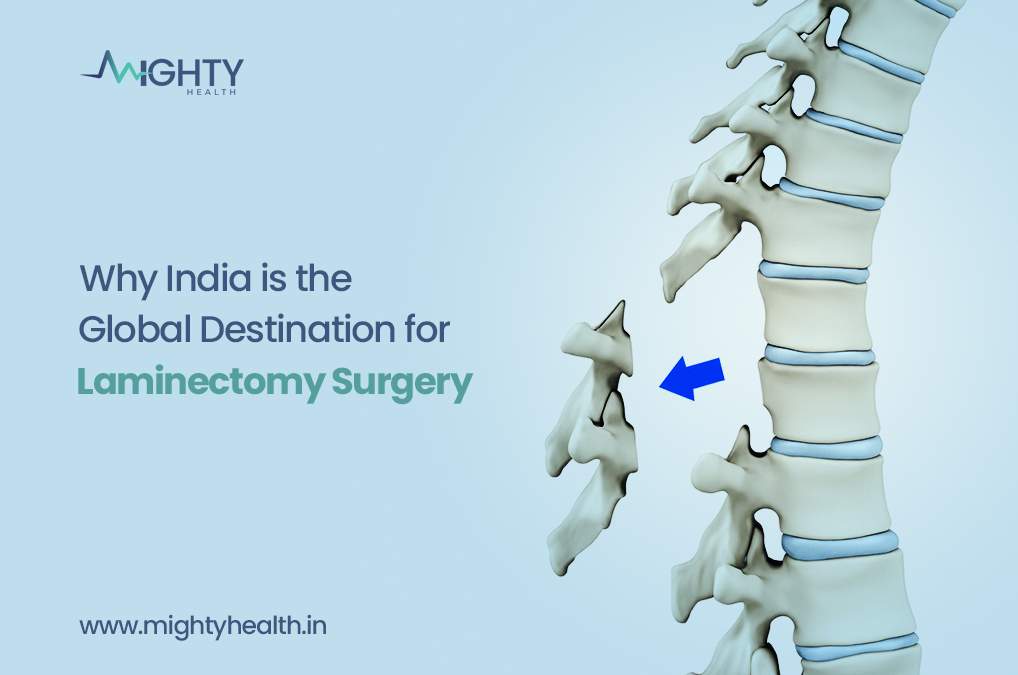
What is a laminectomy, and who needs it?
The human spine has a variety of structures and functions. The spinal column is made up of several bones called vertebrae. The vertebrae are arranged in a column and have a hollow center that contains the spinal cord and nerves. The vertebrae also provide protection, flexibility and movement to the spine.
There are many conditions in which pressure is placed on the spinal cord and/or spinal nerves. Most often this happens due to traumatic injuries or degenerative diseases (e.g., arthritis). In these cases the pressure is relieved through surgical procedures called laminectomies.
When doing a laminectomy the surgeon removes a piece of bone (the lamina) from the back of the vertebrae. The lamina is what stabilizes the vertebrae and provides an area for the spinal nerves to exit from the spinal column.
The most common uses of laminectomy are for relieving pressure on the spinal cord or spinal nerves (causing pain), and to treat certain conditions like spinal stenosis and certain types of lumbar instability. Laminectomy procedures help people relieve pain, regain mobility and/or stop the advancement of the neurological symptoms.
Symptoms caused by nerve compression:
- Pain: constant severe, dull aching pain in the lower back or neck. Pain may radiate or travel down either hip or leg (sciatica).
- Numbness and/or tingling: feelings of distant pins and needles or loss of feeling in the toes or fingertips.
- Weakness in the muscles: inability to lift the foot, difficulty gripping/dropping objects.
- Loss of mobility: unable to walk distances or maintain balance (crazy gait).
- Bowel and/or bladder dysfunction (may indicate cauda equina syndrome, which is a medical emergency).
The 7 Pillars of India's Laminectomy Dominance: Why choose India for laminectomy surgery?
Clinical excellence and specialist expertise
India’s top spine centers have a pretty impressive lineup—neurosurgeons, orthopedic doctors, and spine specialists who aren’t just highly trained, but have actually spent years handling a huge number of cases. A lot of these surgeons have trained overseas or shared their research on international stages, so they know what’s happening in the field worldwide. And here’s the thing: when doctors do a lot of these surgeries, patients usually get better results. That’s why the country’s best hospitals perform thousands of spine procedures every year.
Advanced technology and minimally invasive options
When it comes to technology, India’s leading hospitals don’t mess around. They use the latest methods—microsurgical laminectomy, endoscopic decompression, and other minimally invasive techniques that help protect your tissues, get you out of the hospital faster, and make recovery easier. Some centers even take it up a notch with navigation-assisted surgery and intraoperative neuromonitoring, which help surgeons work with more precision and keep things safer for the patient.
International accreditation & world-class care
Accredited hospitals in India have been awarded quality certifications from the National Accreditation Board for Hospitals and Healthcare Providers (NABH) and accrediting bodies in the USA & globally (e.g., Joint Commission International [JCI]). These certifications demonstrate the hospital's compliance with global clinical guidelines and standards for safety, cleanliness, and infection control for complex spinal procedures.
Affordability without sacrificing quality
The affordability of health care services is one of India's greatest assets. Even when taking into consideration the cost of travel and accommodation, most patients will still pay only a fraction of what they would in North America, Western Europe, or Australia. This enables patients to obtain the same level of quality care as they would receive in those regions without going bankrupt.
Comprehensive international medical tourism support
Hospitals and providers in India provide complete support services to facilitate all aspects of medical travel. Mighty Health provides all-inclusive services for international patients, such as tele-consultations with doctors, assistance with obtaining visas, language translation support, transportation assistance, and coordinated post-operative follow-up. By offering these comprehensive support services, hospitals and facilitators reduce the levels of anxiety for patients travelling internationally for medical care and improve patient outcomes.
The Mighty Health Advantage: Guided, Transparent, Patient-first
Mighty Health is a leading platform for medical travel that connects individuals with licensed hospitals, certified physicians, and end-to-end care coordination. Mighty Health streamlines the process from your initial inquiry to discharge preparation.
- Matchmaking: Provides personalised hospital and surgeon suggestions based on clinical need.
- Telemedicine: Online discussions with spine experts to determine eligibility and schedule the procedure.
- Transparent pricing: Detailed estimates that include surgery expenses, hospital stay, implants (if needed), and rehabilitation.
- Logistics: Assistance with airport transportation, lodging, medical visas, and interpreting services.
- Post-operative continuity: Planning for rehabilitation and tele-follow-ups to guarantee your safe return home.
This unified approach helps patients concentrate on their recovery by lowering uncertainty.
What To Expect: The Laminectomy Pathway In India
Pre-op stage
You’ll start with a secure video call with a spine specialist. They’ll go over your MRI or CT scans, dig into your medical history, and talk about whether surgery’s the right move for you. If so, the doctor lays out the details: what the surgery involves, what you can expect afterwards, any risks, and how long recovery usually takes. Need help getting here? The team can sort out medical visa letters, help you pick the right hospital, and even book your accommodation.
Hospital stay & surgery
Once you arrive, you’ll go through pre-op checks—think blood tests and a review with the anesthesia team. The actual laminectomy usually takes anywhere from one to three hours, depending on how complicated things are. If you’re a candidate for a minimally invasive approach, you’ll likely have smaller incisions and lose less blood. After surgery, most people stay in the hospital two to five days if everything goes smoothly. Physical therapy starts soon after, right in the hospital, with a therapist guiding you.
Post-op & rehab
You won’t be stuck in bed for long—staff usually get you up and walking within a day or two, always with supervision. Physical therapy focuses on building up your core strength and fixing your posture. The team checks in regularly with telemedicine appointments, and if needed, you’ll come in for in-person reviews before you head home.
Outcomes and safety
A laminectomy can achieve high success with regard to symptom relief, enhanced mobility and satisfaction among patients when done by competent surgeons in accredited centres. Minimal invasive strategies also minimise complications in the wound and reduce healing time. To protect the outcomes, Mighty Health collaborates with health facilities with stringent infection-control and perioperative measures.
Cost comparison and value proposition
Prices depend on the city, hospital, complexity of the surgery and the type of implants used. Still, an average laminectomy in India will cost less than a quarter of what it would in the Western world. The patients get the same or in most instances better standard of care on a significantly lower outlay and thus India becomes particularly appealing to self-pay patients, international insurance users and high-quality care and value prices.
Choosing the right hospital and surgeon
Hospitals are not all the same. When weighing your options, check for:
Specialised spine clinics with a large number of procedures.
- Surgeons with a track record of results and fellowship training in spine surgery.
- Hospital accreditations (JCI, NABH) and publicly available infection-control statistics.
- Patient testimonies and published outcomes are made available when they become available.
Mighty Health assesses and recommends hospitals and specialists based on these factors to ensure safe, predictable care.
Travel, stay, and caregiver guidance
- Travel time: For a normal laminectomy, allow at least two to three weeks (minimally invasive cases may require shorter stays); difficult cases may require more time for rehabilitation.
- Carer: For the first week following surgery, it is advised that patients from other countries travel with a companion to help with everyday tasks.
- Accommodation: Many hospitals feature on-site or partner guesthouses; Mighty Health can arrange for comfortable, recovery-oriented lodgings.
Conclusion
Laminectomy helps patients to live a normal life, and can reduce pain and increase mobility. Spine surgery is a good place to be in India due to high level of skill, the use of latest minimally invasive surgery, globally recognised hospitals, and financial savings. Consultation to the recuperation process is open, patient-centred and well-coordinated, and Mighty Health is your partner.