
Waking up after open-heart surgery—most patients say it’s a weird mix of relief and fear. Sure, you’re glad the operation’s over. That anxiety you carried finally breaks. But then there’s that uneasy question: now what? The surgery fixed something urgent, whether it was a clogged artery or a faulty valve, maybe a defect you’d had since birth. But it didn’t magically erase years of old habits. You’re not suddenly fit, confident, or feeling like yourself again. That’s where cardiac rehab comes in—a stage of recovery that, honestly, too many people brush off or never even start.
Don’t think of cardiac rehab as an optional extra for folks with more time or stronger willpower. It’s a real, structured program, with medical supervision, and it truly shapes how well you bounce back—how long you live, even how good those years feel. But here’s the thing: a lot of people who need it don’t sign up, and plenty who start don’t stick with it. The truth is, understanding what cardiac rehab really does can make all the difference between getting your life back and ending up right where you started—facing the same health problems that put you in the hospital in the first place.
What Cardiac Rehabilitation Actually Involves
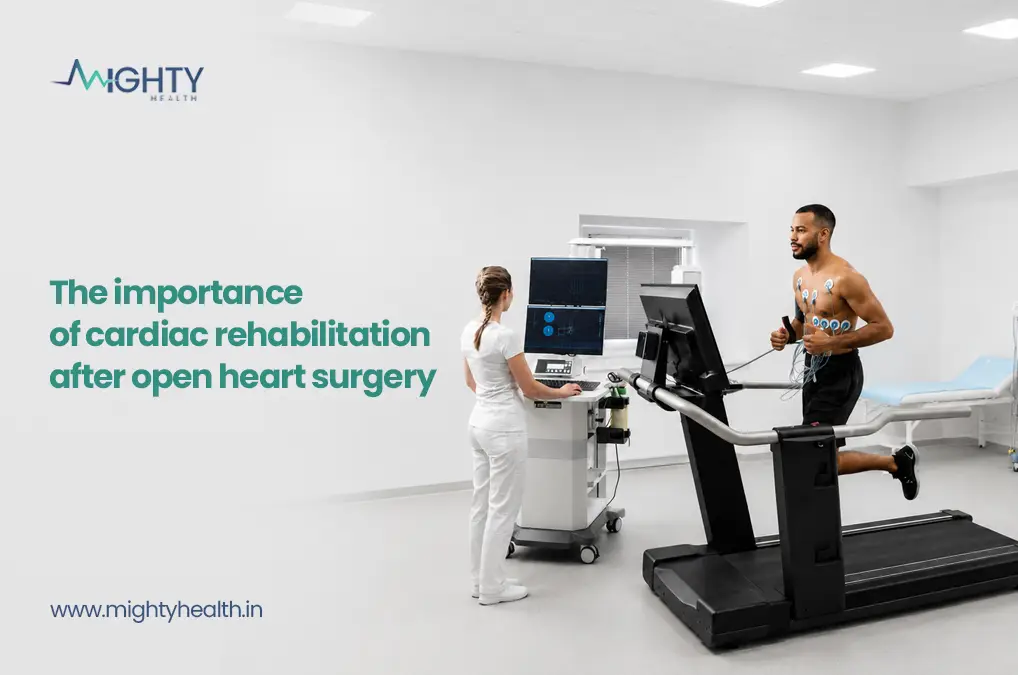
Many individuals view cardiac rehabilitation as just a couple of sessions on a treadmill under the supervision of a nurse. However, it actually includes a much more comprehensive program that consists of three distinct pillars: supervised exercise training, education for heart-healthy living and emotional support. Most of the time, rehabilitation begins at a clinic where a patient has to complete an exercise program with constant monitoring of their heart rate, blood pressure and oxygen levels. After gaining more strength, the exercises become more intense, but the momentum increases gradually instead of going with large steps, which helps to prevent the heart from being overstrained.
In addition to exercise training, patients also do other training such as nutrition training, medication management and control of risk factors for heart diseases. Patients learn how to read food labels appropriately, how to detect signs that require urgent medical care, and how to cope with such diseases as diabetes and high cholesterol that are often interconnected with heart diseases.
Rebuilding Physical Strength Safely
Cardiac rehab gives you something you can actually feel: a safe way to get your body moving again. Open-heart surgery wrecks your body. There’s the chest bone—cut open and wired together, muscles shifted around, your heart dealing with weird blood flow for hours. After that, people often don’t know what to do. Some get impatient and push themselves too hard, trying to jump back into normal life. Others play it way too safe, barely moving, which just makes their muscles weaker.
Rehab programs step right into this mess and carve out a practical middle ground. You get a team—exercise pros and cardiac nurses—making a plan that’s all about your surgery, your fitness, and whatever your heart can handle now.
It’s not one-size-fits-all. A seventy-year-old marathon survivor and a fifty-year-old who got a valve fixed might both be in “cardiac rehab,” but their paths look totally different. Week by week, people start doing stuff again—climbing stairs, lugging groceries, getting back to work, picking up hobbies. When there’s no help guiding the process, tons of folks never regain their trust in their bodies. They shrink their lives out of fear, not real physical limits. The rehab makes sure you don’t just settle; you actually get back to living.
Lowering the Risk of Another Cardiac Event
A strong motivation for adhering to cardiac rehabilitation is the significant evidence of its benefits. Research has established that people who undergo cardiac rehabilitation after surgical procedures experience fewer heart attacks, shorter hospital visits, and lower mortality rates than those who do not participate in programs. The rationale is quite clear. Rehabilitation deals with the same problems, for instance, insufficient exercise, high blood pressure, and poor diet habits. Surgery is able to solve the mechanical problem but it does not alter lifestyle since it requires rehabilitation programs.
The benefits of rehabilitation are not limited to the heart. People who undergo this program also benefit from positive results in terms of their other health-related issues such as diabetes, high levels of cholesterol, and being overweight. Due to the fact that patients are being supervised by medical professionals, medication can be adjusted immediately, and diet and physical activity can be changed likewise.
Supporting Mental and Emotional Recovery
Heart surgery isn’t just a physical hurdle. It leaves a mark on the mind, too—sometimes as tough to shake as any scar or weakness. Lots of people find themselves worrying their heart could fail again. That anxiety can stick around, along with a sense of depression if recovery means handing over some independence. And there’s this nagging fear of pushing yourself too hard, so you hold back from normal routines. Some folks say they become hyper-aware of their heartbeat, jumping at every weird flutter or missed beat—wondering if it’s something serious or just their heart healing and being a bit unpredictable.
Cardiac rehab goes straight at this, though people often forget how important that is. Group sessions let you connect with others who’ve survived the same ordeal, which cuts through the loneliness that comes when you’re dealing with major health issues. Sharing all the ups and downs with people who get it makes all those emotional waves feel normal, not like a sign you’re doing something wrong.
Most programs also bring in counsellors or psychologists who know the ins and outs of heart-related mental health. They get that untreated depression or anxiety after heart surgery can actually mess up your physical recovery, too. If you’re too scared to exercise—terrified even a little effort could send your heart back into crisis—you’ll never really build up your strength again, no matter how perfect the plan looks on paper. Rehab chips away at that fear, with slow, supervised steps and real talk about what’s genuinely risky and what isn’t.
Building Habits That Outlast the Program
The amount of time one spends in a cardiac rehabilitation program can vary from several weeks to several months. However, all of this work pays off only after the sessions are over. The controlled environment allows people to learn to implement their new habits correctly with a professional who can guide them and provide corrective feedback. For instance, if a person learns about healthy eating under the supervision of a dietitian who provides necessary clarifications, the person will be able to stick to this habit independently better than one who has received only the brochure before being released.
The same is valid for exercise. Patients are able to develop a feasible approach to physical activity by participating in a fully-fledged cardiac rehabilitation program. While patients normally know the necessity of exercising, they cannot quite comprehend how to implement it. By the time of discharge from the clinic, patients already possess an actionable plan with regard to their physical activities, whether it relates to going for a walk every day, going to the gym, swimming, or riding a bicycle.
Why So Many Patients Skip It, and Why That's a Mistake
Though cardiac rehab is obviously beneficial, participation remains astoundingly low in many areas around the globe. There are those patients who live too far from a rehab centre to reach it easily. There are also some patients who may believe they don’t need the rehab after only a few weeks post-surgery, thinking they are already fine after their recovery. Then there are the financial issues that create an obstacle to rehabilitation, especially for the patients who have just been through a significant hospitalisation experience. Family and work matters also work against the patients as the adaptation of rehab work takes too much time.
These obstacles do exist, but it should be emphasised that the absence of participation in rehabilitation may not save money and time in the long run for patients. The patients who skip rehab are likely to encounter different complications, be readmitted, and spend huge amounts of money trying to cope with the consequences of another cardiac incident. Luckily, hospitals today understand all the obstacles and challenges that patients face in attending rehabilitation and offer flexible options to allow them to seek help despite location-related barriers.
A Recovery That Continues Beyond the Operating Room
Open-heart surgery is frequently presented as the moment when things turn around for a patient in their journey through cardiac illness, and it is indeed true to a great extent. However, the surgical intervention is only one of the episodes in this journey. What really matters after is how thoroughly the body recuperates, what measures are taken to tackle the risk factors of the disease and how effectively the patient copes with the emotional burden of what they have overcome. Cardiac rehabilitation plays a key role during this period by helping patients to follow the path from a successful operation to rehabilitation.
You can also read this: CRT-D Implantation Treatments in India
Frequently Asked Questions [FAQs]
1. What are the potential long-term side effects of open-heart surgery?
Some people may experience fatigue, chest discomfort, changes in mood, sleep problems, or memory difficulties. Long-term effects vary depending on the type of surgery and overall health.
2. Can you live 30 years after bypass surgery?
Yes, some people live 30 years or longer after coronary artery bypass grafting (CABG). Longevity depends on age, heart health, lifestyle, medications, and control of risk factors.
3. How long does it take to recover from CABG surgery?
Initial recovery usually takes several weeks, while a full recovery may take around 2–3 months. Recovery time varies based on overall health and the complexity of surgery.
4. What should I eat after open-heart surgery?
Choose vegetables, fruits, whole grains, lean proteins, and healthy fats. Limit salt, saturated fats, processed foods, and added sugars to support heart health.
5. Is cardiac rehab necessary after open-heart surgery?
Cardiac rehabilitation is strongly recommended for many patients because it can improve fitness, support recovery, and reduce cardiovascular risk. Your doctor can advise whether it is appropriate for you.
6. How long does it take to recover from open-heart surgery?
Many patients need about 6–12 weeks for significant recovery, although complete recovery can take longer depending on the surgery, age, and overall health.
7. Is it normal to experience shortness of breath 6 months after open-heart surgery?
Persistent shortness of breath six months after surgery should be evaluated by a doctor. It may have several causes and should not automatically be considered a normal part of recovery.
8. What is the survival rate for open-heart surgery by age?
Survival rates vary by the type of surgery, age, overall health, and medical conditions. Age alone cannot accurately predict an individual's outcome.
9. How long does cardiac rehabilitation take after open-heart surgery?
Cardiac rehabilitation commonly lasts several weeks to a few months, depending on the patient's recovery, exercise tolerance, and medical needs.
10. When can I start exercising after open-heart surgery?
Light activity such as short walks is often introduced early, but the timing of more strenuous exercise should be decided by your cardiac care team.
11. What exercises are safe after open-heart surgery?
Walking, gentle cycling, and medically supervised aerobic exercises are commonly used during rehabilitation. Strength exercises are usually introduced gradually when appropriate.
12. What should I avoid during recovery after open-heart surgery?
Avoid heavy lifting, strenuous activity, smoking, and activities your doctor has restricted. Follow your surgical team's instructions regarding driving, exercise, and wound care.
13. Is cardiac rehabilitation necessary after open-heart surgery?
For many patients, cardiac rehabilitation is an important part of recovery. It combines supervised exercise, education, nutrition guidance, and lifestyle support to help patients return to daily activities safely.
Read Also: Understanding the Differences: CRT Pacemaker vs. CRT-Defibrillator