
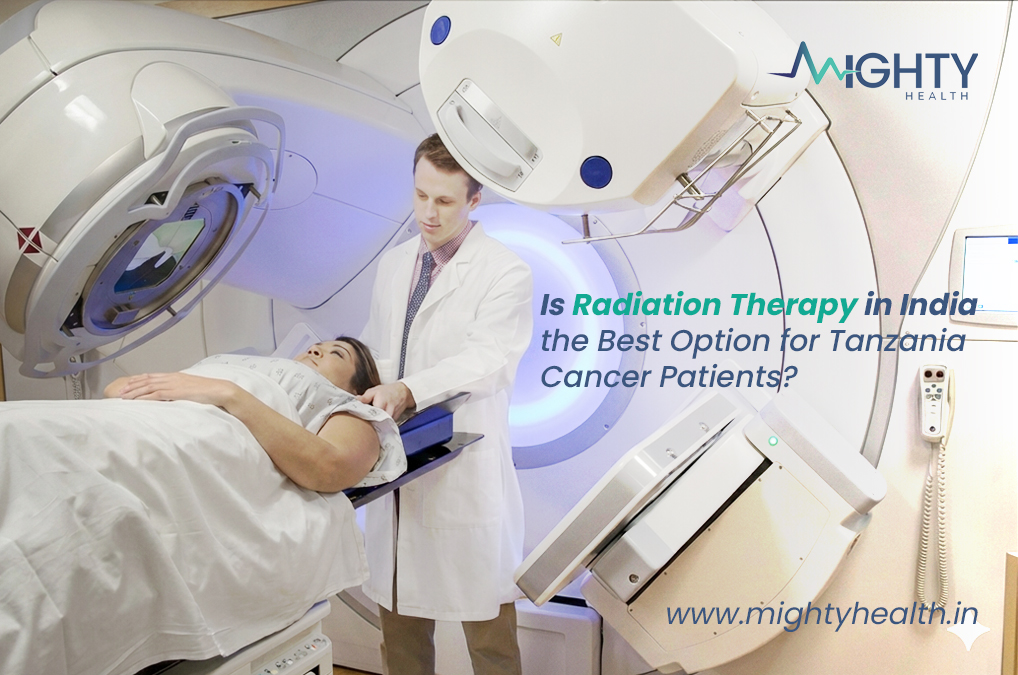
What Is Radiation Therapy?
High-energy radiation is used to destroy cancer cells through radiation therapy. Unlike chemotherapy, which treats the entire body, radiation therapy is focused on very specific regions where tumours exist. There are various types of radiation therapy: External Beam Radiation Therapy, Brachytherapy (also called seed implantation), and Stereotactic Radiosurgery. Each type of radiation therapy is individualised according to the type, location, and stage of cancer.
The purpose of radiation therapy is to shrink the cancerous tumours, relieve symptoms, and improve the overall likelihood of survival. The introduction of modern radiation technologies such as IMRT (Intensity Modulated Radiation Therapy) and IGRT (Image Guided Radiation Therapy) allows your oncologist to accurately target tumours with the least amount of damage to surrounding tissue, thus minimising the possibility of side effects and maximising the efficacy of your treatment.
Why Some Tanzanian Patients Consider Treatment Abroad
Radiation therapy is a form of treatment for some cancers; however, many parts of the world do not have equal access to the newest types of radiation treatment available, including Tanzania. The amount of advanced technology and oncology centers with radiation technology is significantly limited compared to Asia and Europe. Some of the challenges that arise from these limitations are:
- Waiting lists for patients can be extensive
- Complex cases may need treatment options unavailable locally, such as PET scans and CyberKnife
- Coordination of follow-up care and multidisciplinary teams is challenging
As a result of the issues mentioned above, many Tanzanian patients are travelling abroad for cancer treatment. India is fast becoming a popular treatment destination for patients from Tanzania, as India has become a leader in quality treatment.
Why India is a Preferred Destination for Radiation Therapy
India is a popular destination for International patients who wish to receive treatment for Cancer because of its unique blend of knowledge, affordable prices and patient-focused care (in contrast to Western countries). Indian hospitals are equipped with advanced technologies to treat cancer patients, such as linear accelerators, proton therapy machines and advances in imaging technology.
Indian Cancer Therapists usually have international training and many years of experience with complex cancer cases. The hospitals provide a complete continuum of cancer care, including diagnosis through rehabilitation and psychological counselling, offering a holistic approach to your treatment for Cancer.
For our patients from the United Arab Emirates, India provides excellent health care, which is more affordable than treatments offered in Western countries.
Cost of Radiation Therapy in India
An excellent aspect for patients travelling internationally is that India is very affordable when it comes to receiving cancer treatment. The costs of radiation therapy will vary depending on factors such as the kind of radiation therapy that has been prescribed, stage of Cancer, city of Hospital, duration of hospitalisation, number of sessions for treatment and any follow-up appointments required.
The costs associated with receiving radiation therapy in India are far less than those incurred by patients having radiation therapy in the UK or the United States, while still providing similar quality and outcome expectations. Patients travelling from the UAE, therefore, will find that in addition to receiving very good quality cancer treatment in India, they will also be able to obtain all the support services they need, including food and accommodation at reasonable prices.
Quality of Care: How India Measures Up
Cost is crucial, but results and care quality are just as critical, if not more so.
Accreditation and Standards
International organisations (such as JCI) and Indian accreditation boards (NABH) have accredited numerous Indian hospitals. Strong quality control, safety procedures, and patient care standards comparable to those of international oncology facilities are indicated by these certificates.
Multidisciplinary Oncology Services
The best cancer hospitals in India will provide patients with:
- Professional support with radiation therapy and treatment planning
- Integrated imaging services such as Positron Emission Tomography (PET-CT) and magnetic resonance imaging (MRI)
- Nutritional support, pain management, and rehabilitation services.
- Psychological support
With all of these services being provided, patients who are diagnosed with cancer are able to have the best experience and the best outcome, especially if they have multiple complex or advanced cancers.
Innovative Technology Adoption
Next-generation cancer treatments are being developed in India.
- Cyberknife and Robotic Radiosurgery
- Proton Therapy is currently being developed.
- Advanced Brachytherapy units.
Each of these has the potential for more accurate targeting of the tumour while reducing the number of side effects in some cases (the growing use of each of the above items); therefore, representing the significant advances being made by India in the delivery of new cancer care therapies.
Challenges and Realities of Radiation Therapy in India
There are issues to be mindful of, as no system is flawless:
Capacity Constraints
India has made real progress, but there are still gaps. Some public hospitals just can’t keep up with the demand for radiation therapy. Not everyone who needs it gets treated, mostly because there aren’t enough machines.
If you’re coming from abroad and thinking about using a public hospital, keep this in mind. Public options can be limited compared to private ones.
Quality Variability
All leading Indian hospitals provide high-quality care. However, there are significant variances in quality among hospitals within India. Hospitals that are not accredited or are poorly equipped may not be able to provide the same high level of care that meets international standards.
Therefore, Patients from Tanzania should do the following:
- Select Hospitals with Accreditation and High Volume
- Verify Equipment and Specialist Qualifications
- Request Referrals and Second Opinions.
How Tanzania Patients Can Navigate Treatment in India
Here's how to approach radiation therapy overseas if you're thinking about it:
Preparing Before Travel
- Obtain comprehensive diagnostic reports (pathology, biopsy, and imaging).
- Obtain notes from medical consultations
- Check Indian hospitals for international patient services.
- Verify the prerequisites for the visa (usually a medical visa).
- Plan your trip, lodging, and local transportation.
Choosing the Right Hospital
Consider hospitals with:
JCI/NABH accreditation
Dedicated international patient departments
Proven track record in similar cancer types
Transparent pricing and treatment planning
Some reliable names often recommended for international patients include:
Apollo Cancer Centres
Tata Memorial Hospital
HCG Cancer Centre
Max Super Specialty Hospital
Fortis Memorial Research Institute
What to Expect on Arrival
Typically, patients go through:
- A thorough clinical reassessment
- Tailored radiation scheduling
- Radiation treatments every day for a few weeks
- Support services (pharmacy, psychotherapy, diet)
Treatment is sometimes a multi-step procedure that calls for dedication to follow-ups.
Radiation Therapy Process for International Patients
If you're an international patient looking for radiation therapy in India, the whole process is pretty straightforward and designed to make things easier for you:
First, you send over your medical reports and scans so the oncologists can take a look. Once they review everything, the specialists put together a therapy plan just for you—this covers the type of radiation you’ll get, the dosage, and how long the treatment will last.
Getting to India isn’t as daunting as it sounds. Most hospitals help out with visa paperwork, airport pickups, and even finding a place to stay.
When it’s time for treatment, you’ll go through several sessions. The team keeps a close eye on how you’re doing and watches out for any side effects.
Even after your sessions finish, you’re not on your own. Hospitals stick with you for follow-up care, often checking in through virtual consultations to track your recovery and keep tabs on your health in the long run.
Advantages of Choosing India for Radiation Therapy
Highly Qualified Oncologists: India has many cancer specialists trained overseas. Their experience is profound.
State-of-the-art Equipment: Equipment that is used in modern radiation therapy, as well as modern imaging machines, provides for an accurate radiation targeting system.
Affordable Care: Treatment in India is many times less expensive than treatment in the United States for the same exact treatment, without sacrificing any quality of treatment.
Complete Support: Offers help with travel, lodging, language interpretation, and post-treatment follow-up services.
Speedy Access: With faster scheduling and less waiting time, patients in urgent situations can get the prompt attention they need.
To Conclude…
Radiation treatment for Cancer is one of the reasons why many people from different countries go to India for treatment. People from Tanzania are part of that group, and they are also looking for affordable, high-quality and advanced treatment. You can find packages that are affordable for your budget as well as specialists trained internationally and buildings filled with state-of-the-art technology.
However, you need to research to find the correct hospital. Not only will you need to select the proper hospital to go to, but you will also need to prepare yourself for everything associated with treatment (medical, travel and other logistics) when having it done in another country.
Through careful preparation, assistance and a personalised plan for care, people searching for hope can transform their lives through the use of radiation treatment in India.