
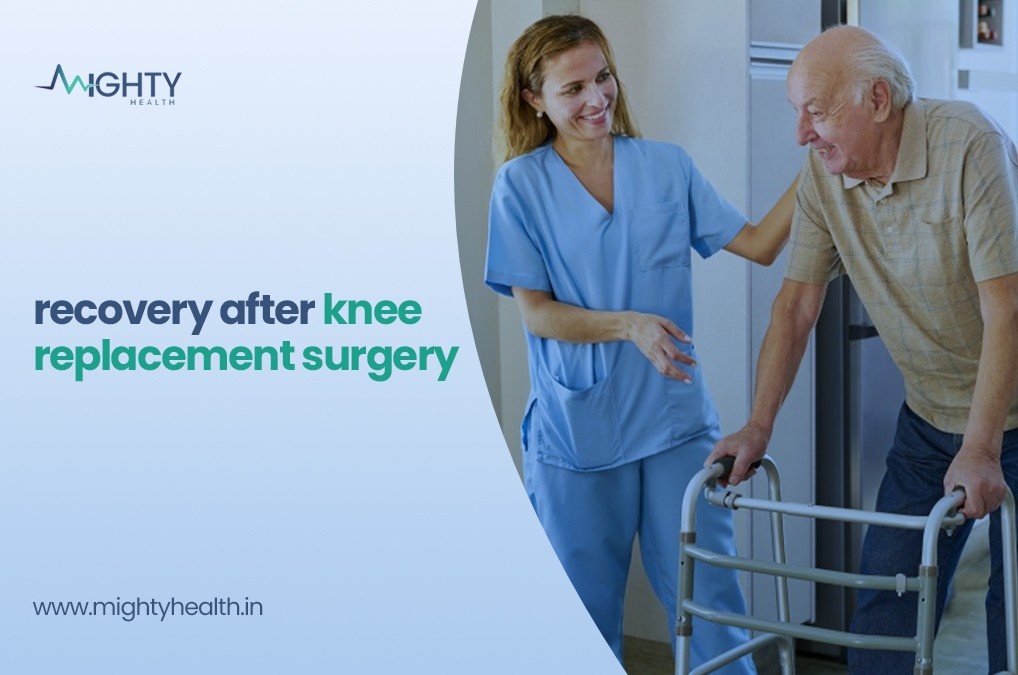
Understanding Knee Replacement Recovery
It will take time to recover from a knee replacement surgery. The recovery starts progressively and involves each of the following: being patient, working consistently, and using the proper technique to perform the exercises. Generally, you will begin to see improvement in the first few weeks after surgery. Full recovery time can be anywhere between three and six months; some individuals take as long as one year, due to their health and lifestyle.
After surgery has taken place, the body automatically begins to heal and remodel the tissue around the artificial joint. You will also start working on regaining strength, flexibility and confidence in moving after knee replacement surgery.
The First Few Days After Surgery
Although the first few days after surgery can be the hardest, they also offer the best opportunity to begin to heal.
Most patients will spend anywhere from one to three days in the hospital, depending on how well they do following their operation. While at the hospital, the main goals of your care team will be managing your pain, preventing any complications, and helping you with gentle movement.
For many people, it can be surprising to learn that they may be encouraged to stand or walk (with support) within 24 hours after their surgery; this very gentle movement helps to promote circulation and reduce the chances of suffering from complications such as blood clots.
Be prepared to have some swelling, stiffness and soreness around your knee; this is common following all orthopedic procedures. Your physician will likely prescribe you with pain medications in order to keep you comfortable enough to participate in physical therapy.
Weeks 1 to 3: Building a Foundation
You will spend time in a rehabilitation centre after you are discharged, working on rebuilding your strength for long-term mobility.
Physical therapy will be a part of your daily life, and you will perform exercises to rebuild strength and movement (like bending and straightening your knee or walking increasing distances) with regular/consistent increased activity levels.
You will still have some need for assistance with daily activities like climbing stairs or getting in and out of bed, and using the restroom, and this assistance will ease this transition with help from family and caregivers.
Though the swelling may take weeks to completely resolve, it generally decreases by resting, elevating, and using ice/heat to treat it.
Weeks 4 to 6: Regaining Independence
The majority of patients reach a point after one month when their confidence in movement starts to increase. You will probably walk greater distances with reduced help from others, while some individuals will change from using a walker to a cane or walk without any assistance.
The body experiences decreasing pain and stiffness, yet it is common to feel minor discomfort throughout the day. The period marks your first opportunity to resume performing basic everyday tasks. Cooking, light cleaning, and short outings become simpler to accomplish.
Maintaining regular physical therapy sessions remains essential for your progress. Your recovery process will experience delays if you miss exercises during this time period.
Months 2 to 3: Strength and Stability
The next few months of recovery are generally focused on fine-tuning your movements to develop better strength and stability.
Many patients can return to their normal daily schedules (including working, driving — with doctor's clearance, and doing light exercise).
Your exercises will be a bit more challenging now; they will develop the muscles surrounding the knee joint (by developing muscle strength).
Developing strong muscles is critical to offer support around the new joint and improve balance.
During this stage, you will most likely see a substantial decrease in pain levels compared to prior to surgery, which is usually one of the most gratifying portions of the process.
Months 3 to 6: Returning to Normal Life
This stage is when you will begin to feel like you are getting back to ‘normal’ again.
Most people will be able to walk (without help), walk upstairs, and do some lower-impact activities, like swimming, biking and yoga.
Avoid high-impact activities (like running/jumping) unless your doctor approves, because they can put too much force on the prosthetic.
If you continue to exercise and maintain a healthy lifestyle, you will have a better chance at long-term success, even if you feel great.
Tips for Faster and Smoother Recovery
Recovery is not only a process of being patient; it is also an attitude toward healing. Here are some ways that you can help yourself recover more easily and quickly.
Keep Up with Your Physical Therapy
Physical therapy is essential for your recovery. If you stick with your physical therapy routine each day, even when you are feeling unmotivated or fatigued, it will help to reduce stiffness and increase mobility more quickly.
Use Appropriate Pain Management
Do not ignore your pain. Using appropriate pain management will allow you to move more easily and participate in rehabilitation exercises, which will ultimately increase your speed of recovery.
Keep Moving, But Don’t Overdo It
Movement is very important for you, but exerting yourself too much can delay your healing process. Pay attention to your body, and ensure you balance your activity with periods of adequate rest.
Eat a Balanced Diet
If you want to heal properly, then you must provide your body with adequate nutrients, such as those found in a well-balanced diet consisting of protein, vitamins, and minerals. Limit your intake of processed foods and sugars, and maximise your intake of whole foods.
Prevent Infections
Keep the surgical site clean and follow the doctor's directions exactly. If you notice any signs of infection (redness, fever, or unusual swelling), please call your doctor immediately.
Common Challenges During Recovery
The process of recovery should be understood by people because it contains unpredictable elements. The following problems frequently arise during recovery:
Swelling and stiffness: These can last for several weeks or even months, but usually improve with time and exercise.
Sleep disturbances: The body experiences sleep disruption because discomfort and routine changes affect sleep patterns.
Emotional ups and downs: The feeling of frustration and impatience during recovery represents a normal part of the rehabilitation process.
Long-Term Care After Knee Replacement
Feeling better is only the beginning of your recuperation process – not the conclusion of it! The long-term maintenance of your success following knee surgery is very much dependent on your ongoing ability to care for yourself; therefore, you should continue to do things to enhance your well-being.
It is likely that you could prolong the lifespan of your artificial knee by regularly exercising, keeping within your ideal weight range, and preventing too much strain from occurring on it. A well-maintained artificial knee can be expected to have a lifespan of 15 to 20 years or more.
You should contact your physician for regular follow-up visits to be sure that your new artificial joint is functioning as it should be.
Finally,
The process of recovering from knee replacement surgery demands three essential components, which include patience, physical work and mental determination. The first weeks of recovery present multiple difficulties, but each subsequent period reveals clear improvements.
The key is to stay consistent, follow medical advice, and give your body the time it needs to heal. Through proper treatment and patient dedication, most individuals achieve full mobility restoration and pain reduction, which allows them to live active lives again.
Patients who prepare for surgery or recover from it should know that their current progress will help them achieve comfortable walking skills in the future.