
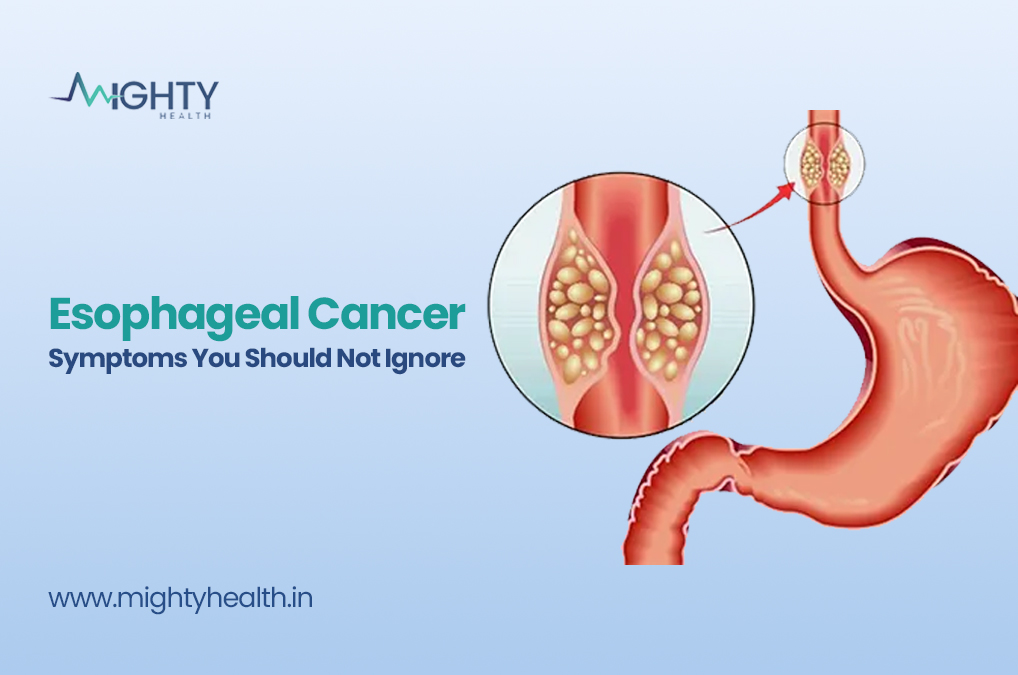
Understanding Esophageal Cancer
An abnormal cell growth that develops into cancer in the esophagus is called esophageal cancer. The esophagus connects your throat with your stomach and allows for the movement of solids and liquids into your stomach so that the digestion process can begin.
There are two forms of esophageal cancer: squamous cell carcinoma and adenocarcinoma. Although the two will have different origins and risk factors, they will have similar symptoms, so it is important for everyone to look out for abnormal changes in their bodies that may be signs of the presence of esophageal cancer.
Difficulty Swallowing (Dysphagia)
Dysphagia (i.e., difficulty swallowing) is one of the earliest presenting signs of esophageal cancer. In the early stages, dysphagia may manifest as a mild sensation (i.e., the feeling of having something lodged in the throat) associated with eating hard (i.e., solid) food. As time progresses, such symptoms generally become more pronounced, whereby even soft (i.e., pureed) food or liquids become increasingly difficult to swallow.
Many individuals will attempt to self-manage their symptoms by chewing their food longer or avoiding certain foods altogether, but this is just a temporary measure that may result in a delay in the diagnosis of the underlying cause of the patient's swallowing difficulties. Individuals experiencing persistent swallowing problems should receive medical attention.
Unexplained Weight Loss
Unintentional weight loss may indicate serious underlying health issues such as Esophageal Cancer. Swallowing becomes difficult for many people with this disease, which causes them to eat less food and lose weight as a result.
Cancer can also affect metabolism; therefore, your body may burn calories at an increased rate due to having cancer. If you have lost a lot of weight quickly and have not changed your diet or exercise, please see a physician as soon as possible.
Persistent Chest Pain or Discomfort
The chest pain that occurs with esophageal cancer can often be described as burning or as pressure. It sometimes feels like heartburn or acid reflux, making it easy to ignore.
But if the pain continues or worsens over time and particularly during swallowing, it could be a sign of something more serious. This is especially worrying when that symptom doesn’t resolve with standard treatments for acidity.
Chronic Cough or Hoarseness
Persistent hoarseness or a chronic cough are two potential symptoms of esophageal cancer. The presence of an esophageal tumour could irritate neighbouring nerves and/or other structures, which could result in changes to your voice or cause pain to be felt within your throat area.
If you have developed a chronic cough or if your voice has become raspy and continues for many weeks, and you are not suffering from any form of cold or respiratory infection, you should seek medical assessment of these symptoms.
Indigestion and Heartburn
People who suffer from acid reflux often experience repeated bouts of indigestion and/or heartburn. However, long-term (chronic) and/or severe symptoms of these conditions may indicate the possibility of having Gastroesophageal Reflux Disease (GERD).
Long-term acid reflux may cause harm to the esophagus. Therefore, having frequent and/or intense heartburn that does not respond to medication should be evaluated. There is an increased chance of developing cancer due to damage to your esophagus from prolonged acid reflux.
Vomiting or Regurgitation
If there are symptoms such as recurring occurrence of vomiting or the return (regurgitation) of food from the mouth, this is an indication of a need to see a physician. In patients with esophageal cancer, the tumour has been known to partially or totally block the esophagus, preventing the normal passage of food into the stomach.
As a result, over the course of a long period of time, a person could suffer from dehydration and malnutrition. Although an individual may experience occasional episodes of vomiting, such instances will warrant medical attention only if there is no reasonable explanation or cause for their occurrence.
Pain While Swallowing (Odynophagia)
An important sign of the body's alarm signal has to do with the experience of discomfort while swallowing (odynophagia). Odynophagia differs from dysphagia in that you have difficulty swallowing (dysphagia), but while you actually can swallow, you experience discomfort or pain in the process.
Odynophagia may also indicate an infection, inflammation, or even a growth (tumor) on the esophagus, and you should never ignore persistent discomfort while you are either eating or drinking.
Fatigue and Weakness
A lot of different diseases cause fatigue, but in the instance of esophageal cancer, the cause of fatigue may be due to a lack of nutrition from not being able to eat properly, losing weight, or having internal bleeding.
If you experience "unusual exhaustion" even if you get enough rest, and if you're experiencing an unusual amount of other symptoms along with this, then you should consider discussing this with your doctor. Fatigue is something that can greatly impede your daily routine and shouldn't be ignored.
Bleeding in the Esophagus
Esophageal cancer sometimes leads to bleeding, and it’s not always obvious. Watch for things like vomiting blood or stools that look black and tarry.
Even a slow, small bleed over time can cause anemia. That means you might feel dizzy, weak, or look unusually pale. If you notice any signs of bleeding inside your body, don’t put it off—see a doctor right away.
Risk Factors You Should Be Aware Of
Early detection depends on knowledge of risk factors in addition to symptoms. The risk of esophageal cancer increases considerably with smoking and too much alcohol intake.
Furthermore, increasing one's likelihood of developing this illness are circumstances such as obesity, persistent acid reflux, and a condition known as Barrett's Esophagus. Age and gender can also have an effect; men and older persons show a greater incidence.
When Should You See a Doctor?
Your body requires you to listen to its messages. You should seek medical help when you experience any of the symptoms mentioned above, especially when you have difficulty swallowing or lose weight without explanation.
Healthcare professionals need to assess symptoms that continue for more than two weeks and increase in intensity, making it impossible for patients to complete their daily activities. The early detection of diseases leads to better treatment results.
Diagnosis and Screening
Doctors use different diagnostic methods to identify esophageal cancer through testing procedures, which involve endoscopy with a camera tube to examine the esophagus and biopsy testing, which detects cancer presence.
The disease severity assessment process uses imaging tests, which include CT scans and PET scans, to evaluate the patient's condition. The detection of early-stage cancer enables doctors to provide multiple treatment possibilities while improving patient recovery prospects.
Treatment Options
The stage and site of cancer in each patient determine the treatment options that the medical team will provide. The treatment options available to patients include surgical procedures, chemotherapy treatments, radiation treatments, and combinations of these two methods.
Targeted therapies and immunotherapy represent new treatment options that medical science has developed through its research progress. The earlier cancer detection occurs, the better the treatment outcomes become.
Prevention Tips for Better Health
Patients cannot eliminate all instances of esophageal cancer through their actions, but specific lifestyle modifications will decrease their chances of developing the disease. The essential steps include maintaining a healthy body weight, while people should also refrain from tobacco use, restrict their alcohol consumption and treat their acid reflux condition.
A diet that includes equal amounts of fruits and vegetables will help people maintain their health while decreasing their chances of developing cancer. People who have established risk factors should undergo regular medical examinations and screening tests because these procedures are essential for their health.
Finally,
Esophageal cancer may not always show obvious symptoms in its early stages, but your body often shows hidden signs of the disease. The signs require your attention because their detection leads to medical evaluation, which results in potentially life-saving outcomes.
You must not ignore your persistent discomfort and swallowing difficulties and your unexplained health changes. Your strongest protection against potential threats comes from taking immediate action.
You should consult a healthcare professional if you or someone you know has these symptoms because it is the first step toward better health.