
What is Epilepsy?
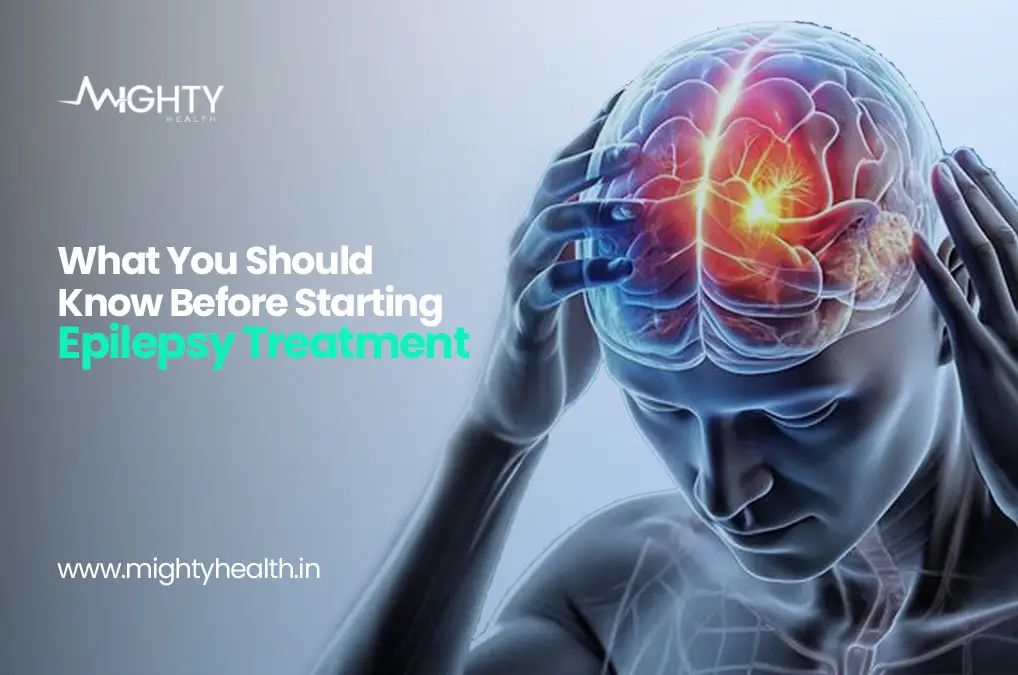
Epilepsy is actually not a single disorder, but rather many different types of disorders, all characterised by having seizures as the common feature. Seizures can occur when there are bursts of electrical activity from the brain that interfere with how nerve cells communicate with one another. Depending on the origin of the seizure (where it comes from in the brain) and where the effect from that seizure spreads will determine how a seizure will manifest itself:
Generalised seizures: Involve both sides (or hemispheres) of the brain and usually result in jerking movements, stiffening of the body and/or loss of awareness.
Focal (or partial) seizures: Occur only in one area of the brain and generally result in localised effects such as jerking of specific muscle groups, unusual sensations, and/or temporary loss of awareness.
Some individuals experience occasional seizures, while others will experience multiple, complicated seizure patterns. Knowing what type of epilepsy a person has is critical when determining what type of treatment should be administered.
Epilepsy Treatment
Step One: Getting the Proper Diagnosis
Prior to initiating epilepsy treatment, the physician evaluates the patient in detail to determine whether or not they have epilepsy and to determine the cause(s) of their seizures (i.e., syncope, migraine, etc). The physician will conduct evaluations to obtain an accurate diagnosis of the patient’s seizures by performing the following tests:
- Collecting a detailed medical history and seizure event history (i.e., description of what happened before, during and after the seizure, when the seizure happens, etc).
- Performing a neurological examination to assess the function of the patient’s brain and nerves.
- Conducting an EEG to monitor the electrical activity of the brain.
- Conducting brain imaging tests (MRI or CT scan) to identify structural brain abnormalities.
- Completing laboratory tests (blood tests) to rule out any underlying reasons for the seizures.
The accurate diagnosis of the type of epilepsy is necessary to determine how the patient will respond to treatment. For example, if the patient has myoclonic seizures, but their seizures are misdiagnosed as generalised seizures, the patient may ultimately be unsuccessful with their treatment because it is not targeting the correct type of seizure.
Step Two: Investigating Treatment
The goal of managing epilepsy is to lessen or cease seizures, cognitive deficits and side effects, thereby providing a better quality of life. Current active treatments for epilepsy include:
Medication: The first treatment for most people is through Anti-Epileptic Drugs (AEDs). AEDs come in several different brands, and your doctor will determine which one is appropriate based on the type of seizure, the patient's age and overall health, and any possible interactions between the AED and other medications being taken. Some people with epilepsy become seizure-free with their first AED, while others may have to try different combinations of AEDs to reach seizure control. Just like with other types of medications, it is important to take AEDs as prescribed; skipping doses could lead to additional seizures.
Surgery: Those with drug-resistant epilepsy (approximately 20-30% of patients) may be candidates for surgery. Surgical options for removing or severing brain tissue that is causing seizures include temporal lobectomy, corpus callosotomy, and hemispherectomy. Newer techniques, such as laser ablation, are considered minimally invasive.
Neuro-Stimulation Devices: Vagus Nerve Stimulation (VNS), Responsive Neuro-Stimulation (RNS), and Deep Brain Stimulation (DBS) provide devices implanted in the body to assist with restoring normal brain function when medications that are designed to help restore normal brain function have failed to do so. Neuro-stimulation devices are usually utilised as either a single treatment or an addition to another treatment when no medications or surgery have been successful
Nutrition: The ketogenic diet (high fat, low carbohydrate) has shown success in some patients, particularly in children with drug-resistant epilepsy. The same can be said for the modified Atkins diet and low glycemic index diets.
Complementary Therapies: Complementary therapies such as stress reduction, yoga, mindfulness and cognitive behavioural therapy (CBT) can assist a patient when combined with traditional medical treatments. While Complementary Therapies should in no way be compared to Medical Treatments, patients have indicated that they have achieved an overall sense of good health and well-being as a result of lifestyle/practice changes.
Step 3: Know the Potential Side Effects
Just like any other medical intervention, every medicine also has its side effects, so it might be a good idea to be aware of them beforehand.
Some side effects that come with medications are: feeling sleepy, dizziness or losing balance, either gaining weight or losing weight, mood swings, and skin rashes. Certain AEDs can have an impact on the liver and bones.
Side effects are possible when the surgical treatment is used. They might be an infection, bleeding, or injured neurological parts. In terms of surgery, with time, the development of technologies has been able to reduce those risks to a great extent.
The use of neurostimulation may lead to the following side effects: hoarse voice, tingling sensation, or headaches.
Besides, with dietary therapy, side effects could be nutritional deficiencies or gastrointestinal discomfort. That is why any dietary therapy should be taken only with strict medical supervision.
Being aware of risks and comprehending them may enable you and your doctor to make a wise decision about possible options.
Importance of Adherence
One of the leading causes of breakthrough seizures for individuals with epilepsy is medication noncompliance. Skipping doses, discontinuing treatment before discussing with your provider, and not following dietary restrictions are some of the many ways that patients can jeopardise their recovery. As a patient with epilepsy, complying with the prescribed treatment regimen and making regular follow-up visits to your health care professional is critical for your treatment success as well as maintaining positive lines of communication between you and your health care provider.
Lifestyle Changes to Consider
Medication is not the only treatment for epilepsy; there are often major lifestyle changes necessary to protect the sufferer as well as reduce potential seizure triggers.
Seizure trigger examples include lack of sleep, use of alcohol, exposure to flashing lights or lighted signs or roadways, stress, and missed medications. Keeping a detailed diary of seizure activity may help identify particular triggers or the "normal" patterns surrounding seizure episodes so that the patient can try to avoid experiencing them again.
Most countries require a patient to have been seizure-free for a specific amount of time (the usual range is 6 - 12 months, depending upon individual country/state laws) before being allowed to drive. While becoming unable to drive may severely impact the ability of the patient to remain independent, it is such a necessary precaution to protect the driver and others on the road.
Employment and Education - People with epilepsy may work and/or go to school while being treated with the proper kind of treatment; however, some jobs will have restrictions on employment if the job involves working at heights, using heavy machinery, or driving for long distances.
Safety: It is suggested that you avoid swimming alone, extreme sports, and places where you could suffer an injury if you had a seizure. If you wear a medical alert ID, it will assist medical personnel in locating you and treating you the most rapidly in case of an emergency.
Sleep & Lifestyle Balance - Prioritising a consistent sleep schedule, following a nutritious meal plan, regularly participating in physical activity, and maintaining a healthy level of stress relief when needed, will help control your seizures.
Mental and Emotional Health - Seizures can not only cause physical health issues but also mental health issues. Due to that, many people with epilepsy will also experience depression, anxiety, and social isolation as a result of having epilepsy.
The Role of Family and Caregivers
Starting anti-epileptic treatment is not a solo effort. Family and caregivers can help support someone with epilepsy in several ways:
- Support with taking medications on time
- Record the number of seizures, their occurrence and duration
- Emotionally support you
Learn basic seizure first aid, to ensure a clear airway, be safely supported and call for help if you experience a prolonged seizure.
Long-Term Follow-Up and Monitoring
Seizures are common in those with epilepsy, and many people will continue having them throughout their lives, while a few may no longer have seizures due to having completely outgrown their condition.
Follow-up visits will continue in most cases to allow your doctor to evaluate how your medications are working and make necessary adjustments, if necessary, or to consider other options.
Depending on how you are doing with your medications and the severity and frequency of your seizures, some patients will be seizure-free, whereas others will try to decrease the severity and frequency of their seizures.
What is the Advancement of Epilepsy Treatment?
The landscape of medical research changes rapidly. The unique use of genetic testing as a potential diagnostic tool has existed for years. New technologies allow for the discovery, creation and management of devices to measure and monitor brain activity associated with seizure episodes through minimally invasive procedures. Therapies focused upon optimising patient outcomes will be based upon the unique biology of the patient and provide improved treatment options using brain mapping techniques and medications with fewer side effects.
For those in treatment today, this is a positive sign. Approximately the same number of patients with epilepsy can lead seizure-free lives as can be accounted for.
To Conclude…
Managing epilepsy can initially feel daunting; however, education is a great asset. To begin moving forward in your treatment, you should have a good understanding of epilepsy, knowledge of your treatment options, recognition of some necessary lifestyle changes, and, of course, a continuing support network.
With treatment, most patients can achieve successful management of the disorder; medical advancements and evolving research continue to support knowledge regarding epilepsy and the various ways of effectively managing this disorder. Please remember that you are so much more than the diagnosis of epilepsy, and the disorder can be clinically managed with treatments and education, to be very minimally managed. Working with qualified medical professionals and being well informed about your treatment options can allow you to regain independence, security and a good quality of life.
Going forward may have its challenges; however, with the right actions and education, the treatment journey has enjoyed life-changing effects for many patients.