
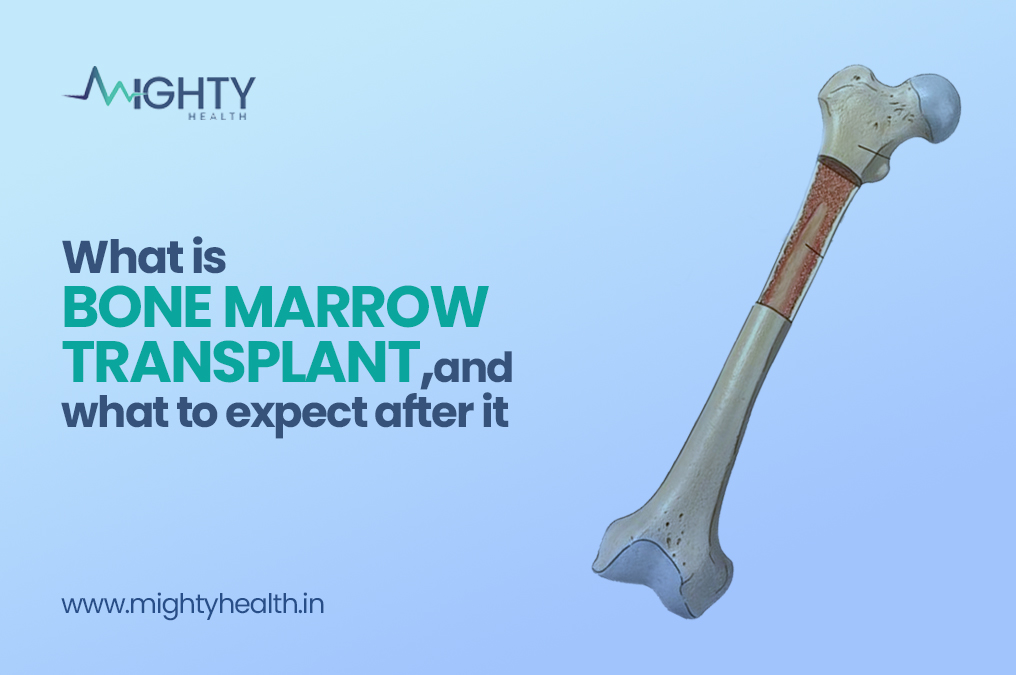
What is a bone marrow transplant?
Bone Marrow Transplantation (BMT) is a therapy for certain types of cancers and other medical conditions requiring transplantation of stem cells from a donor's bone marrow (normally) or from their own body after treatments that work and can kill bone marrow cancer cells. The purpose of this treatment is essentially to replace unhealthy bone marrow with healthy donor or self-donated stem cells after the previous abnormal bone marrow has been treated with chemotherapy drugs and/or radiation therapy.
The original stem cells are filtered before they are transplanted back into the patient. Other than the first time it was used (1968), BMT has been used regularly to help patients suffering from blood-related disorders such as leukemias (cancerous white blood cells), lymphomas (cancer in the lymphatic system), aplastic anemia (a decrease in the production of blood cells), immune deficiency disorders (problems with the immune system), as well as some solid tumors.
Why is a bone marrow transplant needed?
The aim of undergoing a bone marrow transplant is to provide a cure for specific diseases and types of cancer that can be treated with high doses of chemotherapy or radiation. Bone marrow transplantation may be necessary if the total amount of chemotherapy or radiation required in order to treat cancer has significantly altered or destroyed a person's bone marrow stem cells due to treatment with those methods; this could also occur with diseases that have affected the function of the bone marrow itself.
Examples of some ways that a bone marrow transplant can be used include:
To replace an individual's diseased or poorly functioning bone marrow and replace it with healthy, properly functioning bone marrow (as in the case of some individuals who have been diagnosed with leukemia, aplastic anemia, or sickle cell anemia).
To regenerate an entirely new immune system capable of fighting existing or residual leukemia and other types of cancers not killed off by the chemotherapy or radiation received during the transplant procedure.
To replace bone marrow after receiving large doses of chemotherapy and/or radiation as part of the treatment for a malignancy and restore the bone marrow to normal functioning (referred to as "rescue").
To replace non-functioning (genetically impaired) bone marrow with properly functioning (genetically healthy) bone marrow and prevent continued damage from the progression of genetic disease processes (such as Hurler's syndrome and adrenoleukodystrophy).
What are the different types of bone marrow transplants?
Different types of bone marrow transplants exist based on who your donor is. The types of BMT are:
Autologous BMT
This is when the patient donates their own stem cells, either through harvesting from the bone marrow or apheresis (the collection of PBSCs), which are then cryopreserved and returned to the patient after undergoing high doses of therapy. The term "rescue" is sometimes used interchangeably with the term transplant.
Allogeneic Bone Marrow Transplant
An allogeneic bone marrow transplant means that a donor has the same genetic type as the recipient. Stem cells can be sourced from an individual who has donated genetically matched stem cells either through a bone marrow collection or a blood donation (apheresis). In an allogeneic transplant, the donor is typically a sibling (brother/sister). Examples of non-sibling related donors for an allogeneic transplant are as follows:
Parent. Haplocidentical transplants occur when you receive stem cells from a parent, and the match is at least 50% matched with you.
Unrelated Bone Marrow Transplants (UBMT, also known as matched unrelated donor, MUD). An UBMT is performed with the stem cells of someone who is not a blood relative. The similarity of the genetic match comes from a participant who has registered on the national Register of Donors.
Umbilical cord blood transplant
As soon as a baby is delivered, stem cells are extracted from the umbilical cord. Compared to stem cells extracted from the bone marrow of another child or adult, these stem cells proliferate into mature, functional blood cells faster and more efficiently. Until they are required for a transplant, the stem cells undergo testing, typing, counting, and freezing.
Physical Challenges After a Bone Marrow Transplant
Following a bone marrow transplantation, there is a complicated process of healing and rebuilding your immune system. During this healing process, the patient may have multiple difficulties. Some of the reported difficulties include:
Fatigue and Weakness
You will probably find that you are so fatigued and weak during your recovery. The body is using a lot of energy to heal and rebuild the immune system after the transplant, and this can lead to fatigue and weakness that make it difficult to do things that you normally do.
Immune System Recovery
After the transplant, your immune system has been almost completely destroyed, and as a result, you have a much higher chance of getting an infection. This means that you will need to be much more careful about your hygiene, not being in crowded areas, and keeping up with all of your scheduled medical visits where your doctor can monitor you.
Nutritional Difficulties
Many patients will have changes in their appetite or taste or experience difficulty digesting foods after their transplant. Some patients will also have nausea and/or sores in their mouths, which would create the potential for a patient to not receive adequate nutrition.
Pain and Discomfort
Following your transplant, you may experience pain and discomfort as a result of the procedure, related to medications, and/or due to complications such as graft-vs-host disease. It is very important for you to be able to manage your pain because this will help you with your recovery and with your mobility.
Other Complications
Some patients will have complications such as anaemia, low platelets, and/or complications involving organs, and patients who develop these types of complications will be required to be monitored closely and/or have additional medical care.
Emotional and Mental Health Challenges
The mental effects of a bone marrow transplant often match the intensity of the physical ones. Typical psychological issues that patients face include:
Worrying and Lack of Clarity
It is normal for patients to worry about their healing, possible side effects, or the chance of the illness coming back. Not knowing what is going to happen can make a person feel very stressed.
Getting Depressed and Change of Moods
Being in the hospital for a long time, changing one’s habits, and being limited physically are some of the factors that may induce feelings of sadness or a low mood.
Going Through Isolation
Since the immune system is down, one will often have to avoid social occasions, and this may cause loneliness as well as a sense of isolation.
Dealing with Stress
It is key to find ways to handle stress and anxiety for the sake of one’s overall health. Patients might have to try out meditation, therapy, or other relaxation methods to help their mental health.
Medical and Medication Management
Post-Transplant Follow-Up Includes Strictly Following Your Medications and Monitoring for Complications:
Immunosuppressive Medications
You will be given immunosuppressive medications and other medications to prevent your body from rejecting your transplant and to control side effects related to those medications. It is essential to follow the prescribed treatment regimen strictly.
Side Effects
You will experience side effects from your medications that can include, but are not limited to, nausea, fatigue or other discomforts. It is necessary to report side effects quickly, so your health care provider can make timely adjustments in the amount and/or type of medications you are taking.
Warning Signs
Be aware of the signs and symptoms of infection (such as fever and chills), the possibility of graft-versus-host disease (GVHD) and/or any other unusual symptoms you may be experiencing and report them immediately to your health care provider.
Let's Wrap Up
A long road lies ahead of you after you receive a bone marrow transplant, which will be an arduous task. You will need to deal with many kinds of challenges, including physical, emotional, and social, and there are ways to effectively oversee and manage those challenges through awareness of what to expect and how to take care of yourself. You can make it through the difficult moments after your transplant surgery successfully and improve your quality of life by following your doctor's instructions, practising healthy living habits, and seeking support from others for emotional and psychological help.
Rebuilding your physical strength, maintaining independence, and regaining confidence will be easier with the right information, practical approaches, and support throughout your recovery process.