
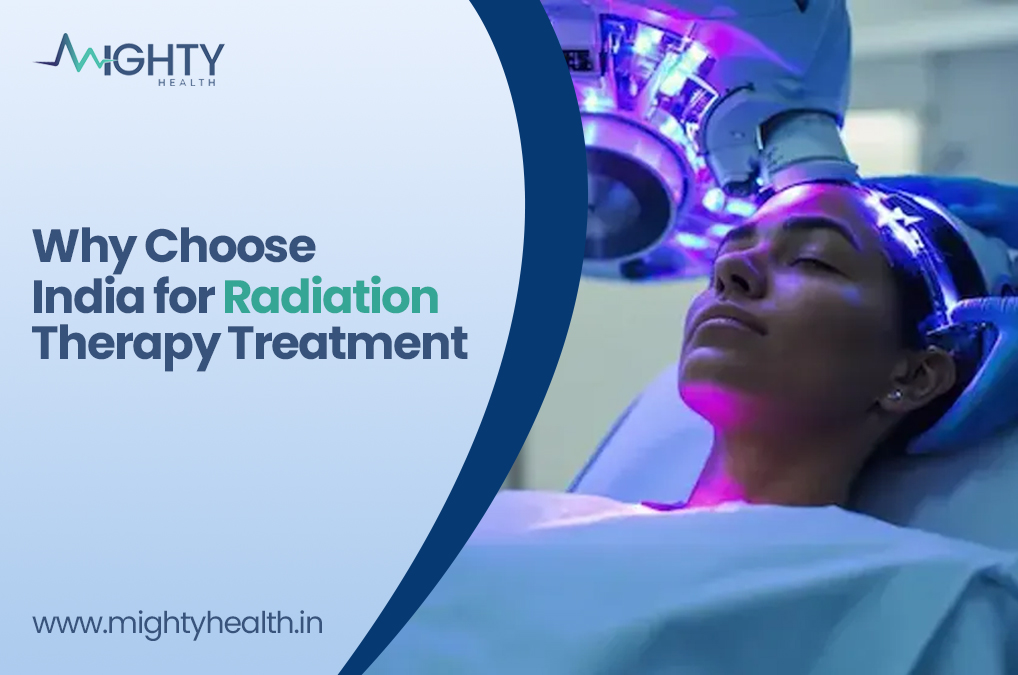
What Is Radiation Therapy?
Radiation therapy (also known as radiotherapy) is a method for treating cancer by using high-energy radiation to destroy cancer cells or shrink the size of tumours by damaging their DNA. Radiation therapy is an important part of cancer treatment for many different types of cancers (for example, brain, breast, lung, prostate, and head and neck cancers), but it will be tailored based on your specific type of cancer, how large the tumour is, where it is located, and how well you are doing overall.
Radiation can also be delivered using different methods:
External beam radiation therapy - a beam of radiation from outside your body.
Internal radiation therapy (brachytherapy) - a small amount of radioactive material is placed inside your body close to the cancer cells.
Advanced techniques such as IMRT (Intensity Modulated Radiotherapy), IGRT (Image Guided Radiotherapy), CyberKnife® and proton therapy.
7 Reasons Patients Prefer India for Radiation Therapy
Significantly Lower Costs Without Compromising Quality
People from around the world come to India for cancer treatment mainly because it’s affordable.
Radiation therapy here costs way less—about 60–80% less than what you’d pay in the US, UK, Europe, or the Middle East. In most centres, a full course starts at around ₹1,80,000 to ₹5,00,000 (that’s about $2,400 to $6,000). Even if you need cutting-edge treatments like IGRT, SBRT, or Proton Therapy, you’ll still pay much less than you would in Western countries.
Thanks to these lower costs, patients who might not be able to afford treatment elsewhere can get excellent care and the follow-up they need, without being buried in debt.
World-Class Medical Experts & Oncologists
Indian cancer specialists and radiation oncologists really know their stuff. Many have trained overseas or worked with international teams, so they’re up to date with the latest in radiation oncology. They don’t just work alone, either. These doctors team up with surgeons, radiologists, and other experts to put together treatment plans that actually fit each patient, not just some template.
If you’re a patient in India, you get the advantage of this teamwork. Experienced doctors from different fields come together, share ideas, and focus on giving you the best care they can.
Advanced Technology & Global Standards of Care
Recent advancements in cancer treatment include high-end, state-of-the-art radiation technology, such as:
Linear accelerators (LINACs)
IMRT (Intensity Modulated Radiation Therapy)
IGRT (Image Guided Radiation Therapy)
CyberKnife and Gamma Knives
Proton Therapy Systems at select centers
These types of advanced radiation delivery systems allow doctors to precisely locate tumors and to preserve surrounding healthy tissues during treatment - providing better patient outcomes with fewer side effects than were ever possible.
The creation of this kind of advanced technology gives India an equivalent capacity to and treatment outcomes consistent with the top global medical hubs.
International Patient Support & Seamless Services
India’s medical tourism scene really covers everything for international patients. You get medical coordinators and case managers who guide you through every step—from setting up appointments and planning treatments to making sure you get admitted to the hospital without a hitch. They even help out with visas, travel plans, and finding a place to stay nearby. And if language or culture feels like a barrier, there are interpreters and support services to make things easier. All this support takes a lot of the stress out of getting treated in a new country and helps patients actually feel comfortable here.
Patient-Centric & Compassionate Care Philosophy
Not only do Indian hospitals focus on providing clinical care, but they also emphasise a comprehensive approach by offering:
- Emotional counselling
- Nutritional counsel
- Rehabilitation
- Support groups
- Family-Centred Care Models
With these tools and resources available to patients and their family members, they now have the means to deal with the emotional impact that they may experience during cancer treatments in a dignified and respectful manner.
Easy Accessibility & Travel Advantages
India has many major international airports serviced by airlines from Europe, Africa, the Middle East, Asia and from North and South America, so it is well connected to all regions around the globe, thus allowing patients and their family members to travel easily and more conveniently.
Growing Global Reputation & Medical Tourism Hub
India has become well-known as a world leader in healthcare services, specifically in the field of oncology treatment. Patients from across the globe including Africa, Middle East, CIS States, South East Asia and Oceania are now travelling to India for various treatments due to 3 significant factors: Get access to a comprehensive range of cancer services, cost of care is significantly less than that of other western nations and patients receiving treatment in India have achieved similar or better outcomes to those being treated in their home country. Building up trust like this takes time and comes from years of consistently delivering high-quality and accessible oncology treatment.
Radiation Therapy Techniques Available in India
If you look around cancer care centers in India, you’ll notice they offer a whole range of radiation therapy options.
Most people start with External Beam Radiation Therapy, or EBRT. Basically, doctors use a machine to fire radiation at the tumor from outside the body. It’s what you’ll run into most often.
Then there’s Intensity-Modulated Radiation Therapy, or IMRT. This one’s all about hitting the tumor with laser-like accuracy so the healthy stuff nearby gets spared as much as possible.
Image-Guided Radiation Therapy, or IGRT, steps things up by adding real-time images to the mix. With IGRT, doctors can track the tumor as they go, making sure they’re always on target.
If you hear about Stereotactic Radiosurgery—like CyberKnife or Gamma Knife—it means blasting the tumor with a super high dose of radiation, usually in just a few sessions. Think of it as a sharpshooter’s approach: fast, focused, and intense.
Proton Therapy is another option, though not every center has it yet. It’s pretty high-tech. The idea is to attack the tumor directly and keep the healthy tissue out of harm’s way.
Each method has its own advantages. The right pick depends on the type of cancer, how advanced it is, and the patient’s overall health.
Cost of Radiation Therapy in India
|
Treatment |
India (Approx) |
|
Standard EBRT |
USD 2,500–6,000 |
|
Advanced IMRT/SBRT |
USD 4,000–10,000 |
|
Proton Therapy |
USD 15,000–30,000 |
Who Should Consider India for Radiation Therapy?
India is an ideal destination for:
- Patients who are looking for top-quality care at an affordable price.
- Patients who need advanced types of radiation.
- Patients who cannot access high-quality oncology treatment in their own country.
- Patients who require extensive case-coordination and support.
- Patients who would prefer to have a multi-approach to their chemotherapy-treatment.
Tips Before You Plan Treatment in India
Research Centres and Specialists
Look for hospitals with JNCI, NABH, or JCI accreditation and experienced radiation oncologists. Experience really counts.
Ask for Treatment Plans and Cost Estimates
Ask for detailed estimates. Make sure they include everything—scans, planning, treatment, follow-ups, and any extra procedures.
Check for International Patient Support
See if the hospital offers special support and services for international patients.
Think About Travel and Insurance
Sort out your travel plans early. Check international health insurance or medical tourism insurance options.
Read Outcome Records and Patient Stories
Success rates and real patient stories tell you a lot about what you’re getting into. They’ll give you a clearer idea of what to expect.
To Conclude…
When deciding where to receive radiation therapy, patients and their families have many decisions to make. One of those choices is choosing India's first-class treatment options, experienced professionals, modern technological advancements and affordable prices.
If you are thinking about going to India for your first time or if you want to compare with other countries, you will find that India has an extensive number of doctors, customised treatment plans, cost savings, and outstanding care for radiation therapy.